Qatar advances U.S.-Iran deal to reopen Strait of Hormuz as Trump threatens new strikes
Qatari mediators are pushing a proposal to reopen the waterway in two days, while Washington balances backchannel talks with threats against Iran's Pickaxe Mountain site.


Listen
The rundown
- Iranian Foreign Minister Abbas Araghchi announced on Saturday, Oct. 31, that a mediated proposal could reopen the Strait of Hormuz within two days if an agreement is reached.
- U.S. President Donald Trump stated that the military has eliminated most of Iran's nuclear and military capacity and could strike remaining targets within 10 minutes.
- U.S. Secretary of State Marco Rubio said on Saturday, Oct. 31, that Trump has not yet decided to launch renewed strikes and prefers a diplomatic solution.
- Iranian official Mohsen Rezaei confirmed receiving a letter from U.S. Vice President JD Vance outlining peace terms, warning that strikes could force a reassessment of Iran's nuclear doctrine.
- U.S. Central Command reported on Saturday, Oct. 31, that its naval blockade has redirected 144 vessels attempting to transit to or from Iranian ports.
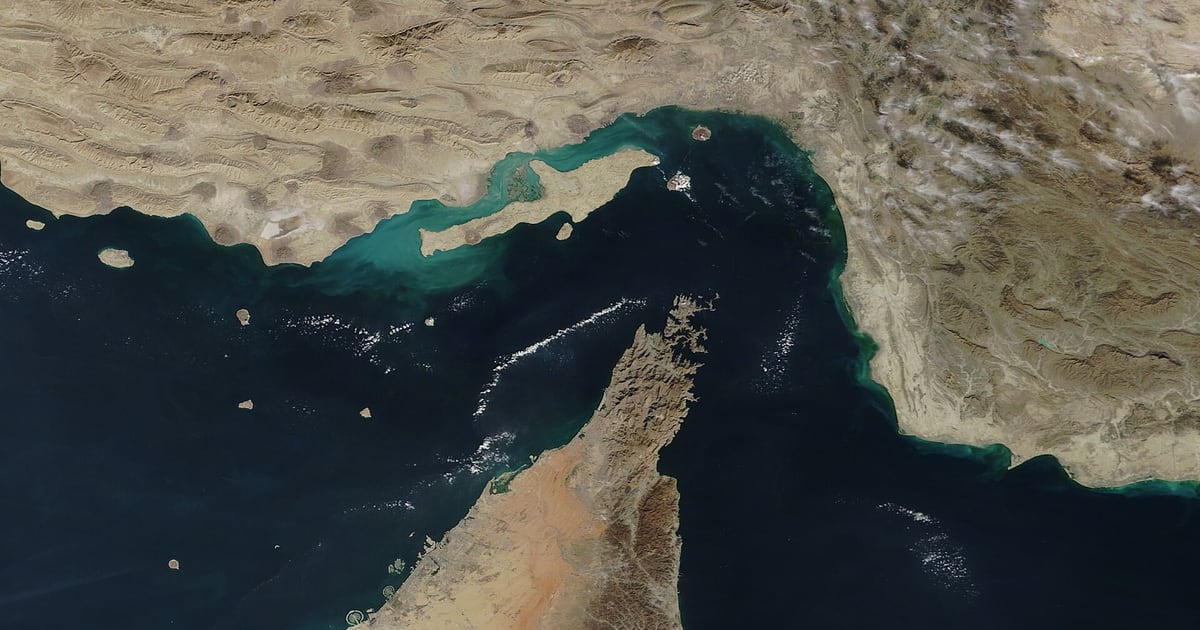
Qatari mediators are advancing a proposal between Washington and Tehran to end their conflict and reopen the Strait of Hormuz, even as U.S. President Donald Trump threatens fresh military strikes on remaining Iranian facilities. Speaking in Qatar on Saturday, Oct. 31, Iranian Foreign Minister Abbas Araghchi announced that discussions with mediators produced a proposal that could shorten the timeline to fully reopen the strategic waterway to two days if both sides reach an agreement.
The diplomatic push in Doha runs parallel to direct outreach from Washington. Reports emerged on Thursday, Oct. 29, that U.S. Vice President JD Vance sent a letter to Mohsen Rezaei, the secretary of Iran's Supreme National Security Council, outlining U.S. positions for peace talks. Rezaei confirmed receiving the letter on Saturday, Oct. 31, and indicated he had not yet formally responded.
As backchannel discussions continue, the White House has maintained the threat of further military action. Trump stated that the United States has eliminated most of Iran's nuclear and military capacity, adding that the U.S. military still has one or two targets it could hit within 10 minutes if diplomacy fails. Trump specifically cited Pickaxe Mountain, a facility the U.S. considers a suspected underground nuclear complex, though Iran denies conducting any nuclear activity at the site. Trump previously raised the prospect of striking Pickaxe Mountain after the Nov. 3 midterm elections.
U.S. Secretary of State Marco Rubio sought to temper expectations of imminent action during a G20 briefing on Saturday, Oct. 31. Rubio said that Trump has not yet decided whether to launch renewed military strikes on Iran and that the administration prefers a diplomatic outcome.
Tehran has conditioned direct negotiations and the reopening of the Strait of Hormuz on the United States lifting its naval blockade and economic sanctions. On Saturday, Oct. 31, Rezaei stated that Iran has not changed its nuclear doctrine, but warned that renewed U.S. attacks could force a reassessment.
The United States and Israel initiated military operations against Iran in February 2026, targeting Iranian military and nuclear infrastructure with aerial strikes. Alongside the bombing campaign, the U.S. established a naval blockade in the Persian Gulf and the Strait of Hormuz to halt Iranian oil exports, while escorting non-Iranian tankers through the Gulf of Oman. U.S. officials said the blockade has cut off at least $25 billion in Iranian crude exports.
On Saturday, Oct. 31, U.S. Central Command reported that the blockade has redirected 144 vessels attempting to transit to or from Iranian ports. Meanwhile, commercial shipping through the corridor remains hazardous. The U.K. Maritime Trade Operations centre has recorded 81 maritime attacks in the Strait of Hormuz since Monday, July 6, 2026, with 59 occurring along the southern route, including Iranian attacks that sank two ships on Thursday, Oct. 15.
Why it matters
The competing military threats and diplomatic proposals mark a critical juncture in the conflict that began in February 2026. A deal mediated by Qatar could restore commercial shipping through the Strait of Hormuz within two days and halt military operations, while a breakdown in talks could trigger U.S. strikes on Pickaxe Mountain and prompt Tehran to reconsider its nuclear doctrine.
What's next
Negotiators are waiting to see whether Rezaei will formally respond to Vance's letter and agree to direct talks. Key unresolved questions include whether the Trump administration will agree to lift maritime blockades in exchange for reopening the Strait of Hormuz, or if Trump will order strikes on remaining targets after the Tuesday, Nov. 3 midterm elections.
Sources · 3 reports
Spotted an error? Write to [email protected]. Tags: Iran, United States, Qatar, Strait of Hormuz, Donald Trump, Marco Rubio.


