Trump raises prospect of striking Iran's Pickaxe Mountain site after midterms
The president ruled out military action before the Nov. 3 vote even as U.S. naval deployments and Iranian shipping attacks expand in the Gulf.


Listen
The rundown
- President Donald Trump said on Friday, Oct. 16, that the U.S. may need to strike Iran's Pickaxe Mountain facility.
- Trump said on Thursday, Oct. 15, that he will not order attacks on Iran before the Nov. 3 midterm elections, predicting the conflict will end immediately afterward.
- The U.S. has sent at least three carrier strike groups to the Gulf and fired over 1,000 Tomahawk missiles since fighting began on Feb. 28.
- Iranian attacks on Gulf shipping reached 15 incidents between Oct. 6 and Oct. 14, cutting daily transit through the Strait of Hormuz to 2.9 million barrels on Oct. 11.
President Donald Trump stated on Friday, Oct. 16, that the United States may need to strike Iran's Pickaxe Mountain facility. The remark escalated U.S. military rhetoric while the eight-month war with Tehran remains unresolved.
Trump's comments followed a Thursday, Oct. 15, post on Truth Social in which he pledged not to order strikes on Iran before the Tuesday, Nov. 3, midterm elections. Reiterating remarks made to a Republican convention in September, Trump maintained that the conflict would conclude immediately after the vote.
While halting new offensive strikes before the election, the administration has expanded its naval blockade and regional military presence. The United States has deployed or directed at least three aircraft carrier strike groups to the Gulf, including the USS Theodore Roosevelt, which carries 7,000 sailors and 2,000 Marines.
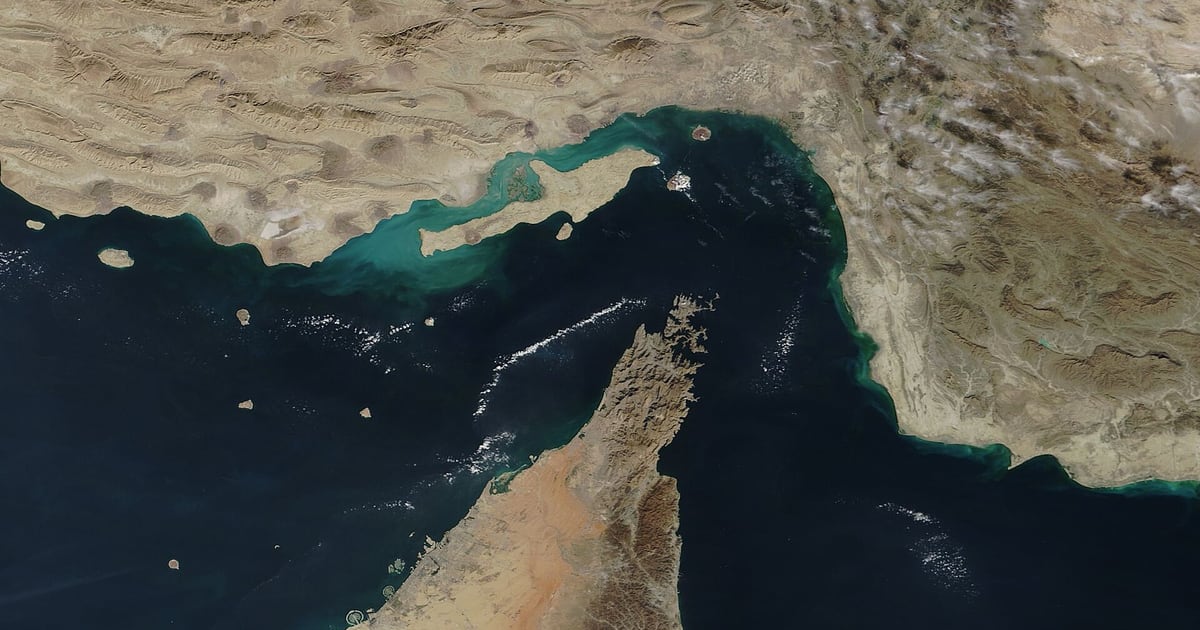
Tehran has continued asymmetrical operations against commercial traffic in the Strait of Hormuz. The UK Maritime Trade Operations center recorded 15 Iranian attacks on shipping in the Gulf region between Tuesday, Oct. 6, and Wednesday, Oct. 14. Iranian officials have dismissed U.S. terms and threatened retaliation against regional bases, with Iranian Parliament Speaker Mohammad Bagher Ghalibaf saying in September that the era of proportionate responses had ended.
As the White House assesses post-election military options, defense analysts cite severe supply constraints. The U.S. military has expended more than 1,000 Tomahawk cruise missiles during the conflict. Analysts, including University of Bath senior associate professor Patrick Bury and Loughborough University visiting fellow Afzal Ashraf, assess that renewed air campaigns face diminishing returns and high attrition of scarce interceptor missile stockpiles against inexpensive Iranian systems.
Defense assessments indicate that replenishing the pre-war U.S. inventory of key munitions and Tomahawk missiles could take until the end of 2030. That munitions strain mirrors shortages seen elsewhere, as Ukraine depletes Patriot missiles and suspects US withheld strike warnings.
Potential ground operations in Iran present further risks. Former U.S. Central Command commander Joseph Votel indicated that while an 800- to 1,000-troop force could seize Iran's Kharg Island, those personnel would face heavy exposure to mainland artillery and missile fire.
The conflict began on Saturday, Feb. 28, when the United States and Israel launched strikes against Iran, prompting Iranian counterstrikes against U.S. regional facilities and the closure of the Strait of Hormuz. A June ceasefire collapsed over terms governing the waterway, and indirect talks mediated by Qatar and Pakistan have yielded no agreement.
The Strait of Hormuz carried roughly 20 percent of global petroleum and liquefied natural gas before the war. Following the October wave of tanker attacks, daily oil transit through the waterway dropped to 2.9 million barrels on Sunday, Oct. 11. The conflict has lifted crude oil prices from a pre-war level of $72 a barrel to a peak near $120, with crude trading around $104 per barrel on Thursday, Oct. 15. Amid elevated domestic fuel prices, Trump waives new sanctions and tariffs on Russian goods and energy buyers.
Why it matters
The war has choked transit through the Strait of Hormuz, which carried roughly 20 percent of global oil and liquefied natural gas before hostilities began, pushing crude from $72 per barrel to a peak near $120. Meanwhile, the U.S. expenditure of more than 1,000 Tomahawk missiles has strained American stockpiles, with replacements projected to take until 2030.
What's next
Trump has ruled out offensive operations against Iran until after the Nov. 3 midterms, leaving post-election decisions on whether to expand naval convoy operations or bomb targets like Pickaxe Mountain.
Sources · 3 reports
Spotted an error? Write to [email protected]. Tags: Iran, Donald Trump, U.S. military, Strait of Hormuz, Middle East, Oil prices.


