Iran targeted U.S. air defenses before hitting regional bases, AP analysis finds
New assessments detail billions of dollars in base damage as the Pentagon places the cost of the conflict at $47 billion ahead of the midterm elections.

Listen
The rundown
- An Associated Press analysis published on Saturday, Oct. 31, 2026, found that Iran targeted U.S. air defenses before striking aircraft and buildings on Middle East bases.
- The Wall Street Journal reported on Saturday, Oct. 31, 2026, that Iranian strikes caused billions of dollars in physical damage to regional U.S. bases.
- The Pentagon announced on Thursday, Oct. 29, 2026, that the military conflict with Iran has cost U.S. taxpayers $47 billion to date.
- Analysts assess that base vulnerabilities, damage estimates, and war costs could affect voter turnout and choices in the Tuesday, Nov. 3 midterm elections.
Iranian forces targeted United States air defense systems before striking aircraft and buildings on military bases in the Middle East, according to an Associated Press analysis published on Saturday, Oct. 31, 2026. A separate report published the same day by The Wall Street Journal found that Iranian strikes hit U.S. bases in the region and caused billions of dollars in physical damage.
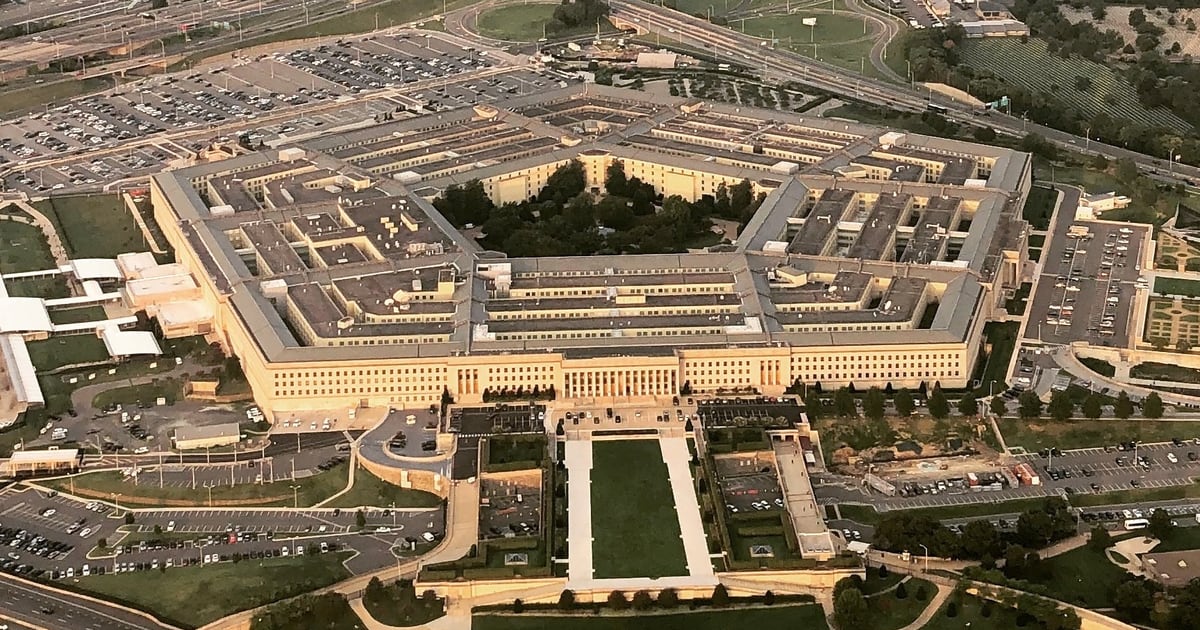
The two news assessments followed a Pentagon announcement on Thursday, Oct. 29, 2026, stating that the conflict with Iran has cost U.S. taxpayers $47 billion. The Department of Defense figure calculates the direct cost of the military campaign to date.
The reports on military damage and war expenses emerged five days before the Tuesday, Nov. 3 U.S. midterm elections. Political and military analysts contend that base vulnerabilities, physical damage, and rising expenditures could affect voter turnout and choices at the ballot box.
The latest findings do not specify which individual U.S. installations and aircraft sustained damage during the Iranian strikes. It also remains unclear what adjustments the U.S. military is making to address the air defense vulnerabilities highlighted by the attacks.
Direct hostilities between the United States and Iran began on Feb. 28. The fighting prompted the deployment of multiple carrier strike groups and extensive naval blockade operations.
The conflict escalated in October with repeated strikes on regional installations and attacks on shipping in the Strait of Hormuz. Those maritime disruptions and military exchanges later became the focus of diplomatic efforts regarding the Strait of Hormuz.
Throughout the October escalation, the pace of military operations and the prospect of further U.S. strikes after the midterms have remained central issues ahead of the Tuesday, Nov. 3 congressional vote. Analysts continue to watch how the disclosure of the $47 billion cost and the reported base damage will influence the upcoming elections.
Why it matters
The assessments from the Associated Press and The Wall Street Journal indicate that Iranian strikes penetrated U.S. air defense systems to inflict billions of dollars in physical damage on aircraft and buildings at regional bases. Combined with the Pentagon's confirmation of a $47 billion direct cost to U.S. taxpayers, the findings highlight both military vulnerabilities in the Middle East and the growing financial toll of the conflict begun on Feb. 28.
What's next
Voters head to the polls on Tuesday, Nov. 3, 2026, for the U.S. midterm elections, where political analysts assess the war and its $47 billion cost could influence turnout and ballot choices. Meanwhile, questions remain over which specific U.S. installations and aircraft were damaged and how the Pentagon will adjust its regional air defenses.
Sources · 4 reports
Spotted an error? Write to [email protected]. Tags: Iran, Pentagon, U.S. military, Middle East, Midterm elections.


