Trump and Vance say Iran war contributed to Republican midterm losses
The president defended the military campaign after Democrats won control of Congress, while Vice President JD Vance said the conflict cost the party its majorities.


Listen
The rundown
- President Donald Trump acknowledged that the conflict with Iran contributed to Republican defeats after Democrats won control of Congress on Tuesday, Nov. 3.
- Trump defended his decision to wage the military campaign in Iran and said he would do it again.
- Vice President JD Vance said on Wednesday, Nov. 4, that the war in Iran caused Republicans to lose control of Congress.
- Iranian Parliament Speaker Mohammad Bagher Ghalibaf framed the U.S. election outcome as an American vote against the war and the rising cost of living.
- The International Monetary Fund reported that the Persian Gulf conflict disrupted more than 1.1 billion barrels of crude oil globally by the end of May.
President Donald Trump acknowledged that the ongoing war against Iran contributed to Republican defeats after Democrats won control of Congress in the midterm elections on Tuesday, Nov. 3. Speaking to reporters following the vote, Trump said that the military campaign played a role in the losses, though he defended his decision to wage the war and said he would take the same action again.
Other Republican leaders and conservative commentators placed direct blame on the conflict on Wednesday, Nov. 4. Vice President JD Vance said that the war in Iran caused Republicans to lose control of Congress. Fox News host Sean Hannity said the conflict was entirely responsible for the party's defeats.
The assessments opened an internal debate among Republicans over the political toll of the military campaign. Administration leaders acknowledged that energy inflation and the conflict hurt Republican candidates, while arguing the operation was necessary to counter Iranian threats and eliminate nuclear capabilities. Skeptical Republican allies argued that initiating and sustaining a protracted war cost the party the Senate and congressional control for years to come.
In Tehran, government officials viewed the Democratic victory as an American public rejection of foreign intervention and U.S. support for Israel, while maintaining that Washington remains fundamentally hostile. Iranian Parliament Speaker Mohammad Bagher Ghalibaf, who also serves as a chief negotiator, framed the U.S. election outcome as an American vote against the war and the rising cost of living. On Thursday, Nov. 5, Iranian state media reported that Supreme Leader Mojtaba Khamenei dismissed the election's impact on bilateral relations, declaring that U.S. hostility would continue regardless of the midterm results.
The United States launched Operation Epic Fury against Iran earlier in 2026, with the administration initially projecting the military operation would conclude within four to six weeks. Instead, the conflict entered its ninth month in November and cost the U.S. military tens of billions of dollars, while Iran targeted U.S. air defenses before hitting regional bases, AP analysis finds.
Iran also responded to the U.S. campaign by targeting regional energy facilities and disrupting maritime traffic through the Strait of Hormuz, where maritime incidents continued on Thursday, Nov. 5. The International Monetary Fund reported that the Persian Gulf conflict disrupted more than 1.1 billion barrels of crude oil globally by the end of May. The supply constraints drove consumer prices higher in the United States, making living costs and the war central voter concerns ahead of the Tuesday, Nov. 3, election.
In the weeks before the vote, the administration weighed military options and diplomatic negotiations, as covered in Trump raises prospect of striking Iran's Pickaxe Mountain site after midterms and Qatar advances U.S.-Iran deal to reopen Strait of Hormuz as Trump threatens new strikes. Ahead of the election, the White House also prepared for a potential loss of Republican majorities, with Trump says he will become 'Mr. Veto' if Democrats win Congress detailing plans to block legislation if Democrats took control.
Why it matters
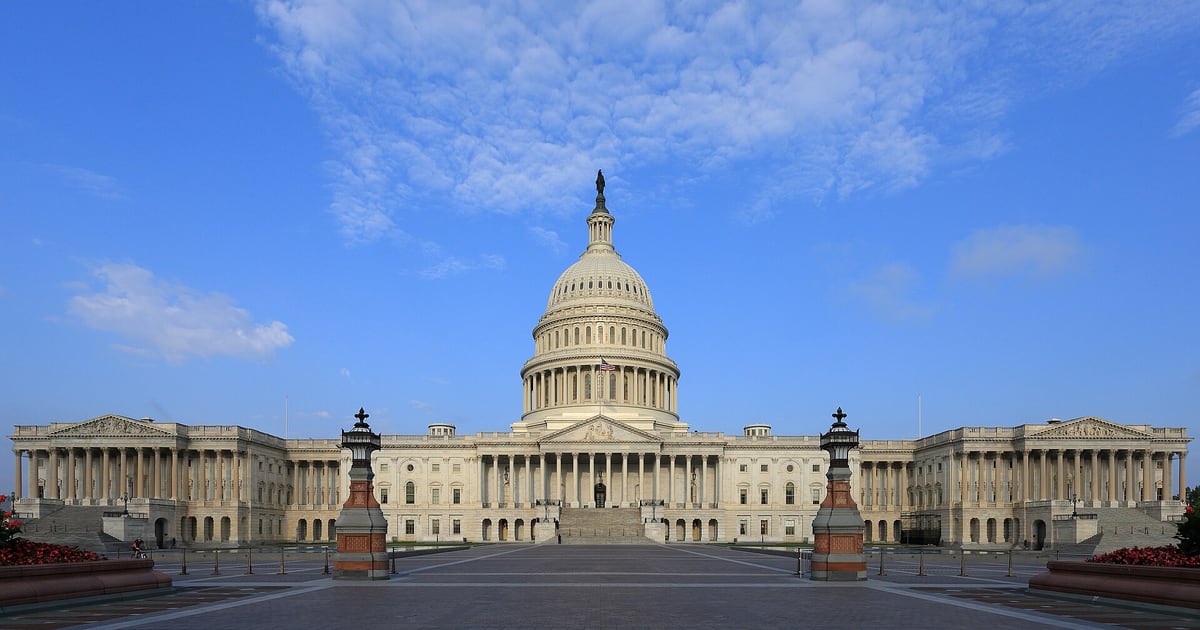
Democrats gained control of Congress on Tuesday, Nov. 3, after the war in Iran entered its ninth month, constrained global oil supplies, and drove consumer prices higher in the United States. The outcome has sparked an internal Republican debate between administration leaders who argue the operation was necessary to eliminate nuclear capabilities and skeptical allies who say the protracted conflict cost the party the Senate and congressional control for years to come.
What's next
With Democrats winning majorities in Congress, questions remain over how the new leadership will approach military funding and War Powers oversight regarding ongoing operations against Iran. The administration also faces decisions on whether the midterm results will push it to accept mediated diplomatic terms to reopen the Strait of Hormuz rather than pursue new strikes, and how the Republican Party's internal debate will shape its Middle East posture heading into 2027.
Sources · 4 reports
Spotted an error? Write to [email protected]. Tags: Donald Trump, JD Vance, Iran, Midterm elections, Republican Party, Congress.


