Houthi forces claim six strikes on Saudi airports and oil facilities
Saudi Arabia reported intercepting a drone aimed at Mecca as a provincial governor declared famine in the besieged Yemeni city of Taiz.

Listen
The rundown
- Houthi forces claimed responsibility on Friday, Oct. 30, for six attacks targeting Saudi airports and oil infrastructure.
- Saudi authorities reported intercepting a Houthi drone targeting Mecca on Friday, Oct. 30, an allegation Houthi officials denied.
- The strikes followed diplomatic talks in Tehran earlier in the week between Iran and Mecca pact countries.
- A Saudi airstrike killed 13 people near Taiz on Thursday, Oct. 29, as the local governor declared famine in the besieged city.
- Fighting across Yemen has displaced more than 281,000 people since the beginning of August.
Houthi forces claimed responsibility on Friday, Oct. 30, for six separate attacks targeting airports and oil facilities in Saudi Arabia. Later that day, Saudi authorities reported that the Saudi Arabian Armed Forces intercepted an incoming Houthi drone targeting Mecca, an allegation that Houthi officials denied.
The cross-border strikes occurred despite diplomatic discussions held earlier in the week of Oct. 26 in Tehran. During those meetings, delegations from Iran and Mecca pact countries gathered to conduct regional talks.
The Friday exchanges followed military operations by the Saudi Arabian Armed Forces inside Yemen. On Thursday, Oct. 29, a Saudi airstrike killed 13 people near the besieged city of Taiz, according to local reports. That strike took place as the governor of Taiz declared a famine in the city.
Both sides offered differing accounts of the Friday operations. While Houthi officials claimed the six strikes against Saudi aviation and energy infrastructure, they denied the Saudi report that they aimed an unmanned aircraft at Mecca. Neither side immediately released verified information showing whether the six claimed attacks caused damage or casualties at the targeted facilities, or where the reported drone was intercepted.
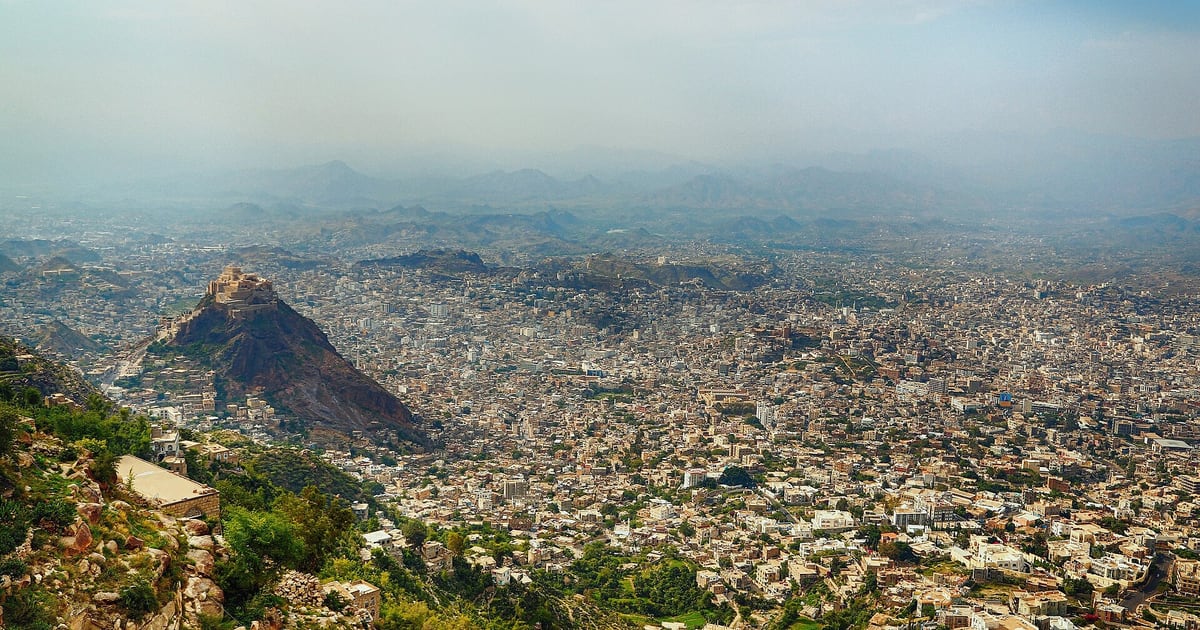
Inside Yemen, provincial leadership warned that the conflict is driving civilian hardship. Alongside the Thursday famine declaration in Taiz, the local governor accused Houthi forces of devastating the besieged urban center. Sieges and airstrikes around population centers such as Taiz have left residents facing severe food shortages.
Nationwide, the fighting has displaced a large portion of the civilian population. Since the beginning of August 2026, clashes across Yemen have displaced more than 281,000 people from their homes, with the United Nations monitoring humanitarian aid and displacement across the country.
The Friday claims follow earlier cross-border strikes targeting Saudi energy infrastructure, including when a Houthi strike hits Saudi Aramco headquarters, officials say, as well as broader regional hostilities where Iranian attacks sink two ships in Strait of Hormuz ahead of U.S. election. Within Yemen, aerial bombardment and ground sieges continue to restrict civilian movement and access to food.
Why it matters
The renewed strikes between Houthi forces and Saudi Arabia test the durability of recent diplomatic talks in Tehran between Iran and Mecca pact countries. At the same time, ongoing airstrikes and ground sieges worsen a humanitarian crisis in Yemen that has displaced more than 281,000 civilians since August and pushed Taiz into declared famine conditions.
What's next
Officials have yet to release verified details on whether the six claimed Houthi strikes caused casualties or damage at Saudi airports and oil facilities, or provide the flight path of the intercepted drone. Observers are watching to see whether the cross-border exchanges affect diplomatic engagements between Iran and Mecca pact nations, and how aid organizations deliver food supplies into Taiz.
Sources · 3 reports
Spotted an error? Write to [email protected]. Tags: Yemen, Saudi Arabia, Houthis, Iran, Taiz, United Nations.


