Israel halts commercial goods into Gaza, driving rapid food price spikes
The suspension cuts off fresh produce, meat, and winter clothing amid a dispute over alleged truck fees, doubling the price of staples like flour within days.


Listen
The rundown
- Israel halted commercial goods entering the Gaza Strip on Wednesday, Oct. 14, cutting off private imports of food and winter supplies.
- Israeli officials said Hamas and local authorities were imposing unauthorized taxes on commercial trucks, which Gaza officials denied.
- Flour prices jumped from between 25 and 35 shekels to roughly 80 shekels per sack by Sunday, Oct. 18, alongside price surges for eggs and produce.
- Gaza's Health Ministry projects 67 percent of the population will face crisis-level food insecurity through the end of 2026.
- The United Nations warned on Friday, Oct. 16, that nearly one million displaced Palestinians face winter flooding risks.
Israel halted the entry of all commercial goods into the Gaza Strip on Wednesday, Oct. 14, cutting off private shipments of fresh produce, meat, and winter clothing. By Sunday, Oct. 18, the fifth day of the suspension, basic food prices across local markets had risen sharply, with the cost of a sack of flour climbing from between 25 and 35 shekels to roughly 80 shekels. Prices for eggs and vegetables also rose as supplies dwindled.
Israeli authorities attributed the commercial shutoff to accusations that Hamas and Palestinian authorities were extracting unauthorized taxes and fees from commercial trucks entering the territory. Commercial shipments had served as the primary conduit for private-market goods and seasonal supplies not included in standard humanitarian food distributions.
On Thursday, Oct. 15, Gaza's Government Media Office rejected the Israeli allegations, saying Israel was using the fee dispute as a pretext to tighten its siege. The office denied imposing official government taxes on commercial trucks, stating that a 10,000-shekel fee cited by Israel was connected to a voluntary community relief fund. Officials in the Gaza Strip also called for 600 aid trucks per day to enter the territory under prior agreements.
Alongside the truck dispute, Gaza authorities instituted a 30 percent rate for cash transactions in coordination with the Chamber of Commerce. Officials said the measure was designed to address severe banknote shortages and worn currency across the territory.
For residents in northern Gaza, such as Ismail al-Barawi in Jabalia and Iman Atallah in Beit Lahiya, rapid price hikes and border closures have raised immediate concerns. Consumers report that reduced household incomes and limited storage capacity leave families unable to absorb sudden price increases or stockpile food.
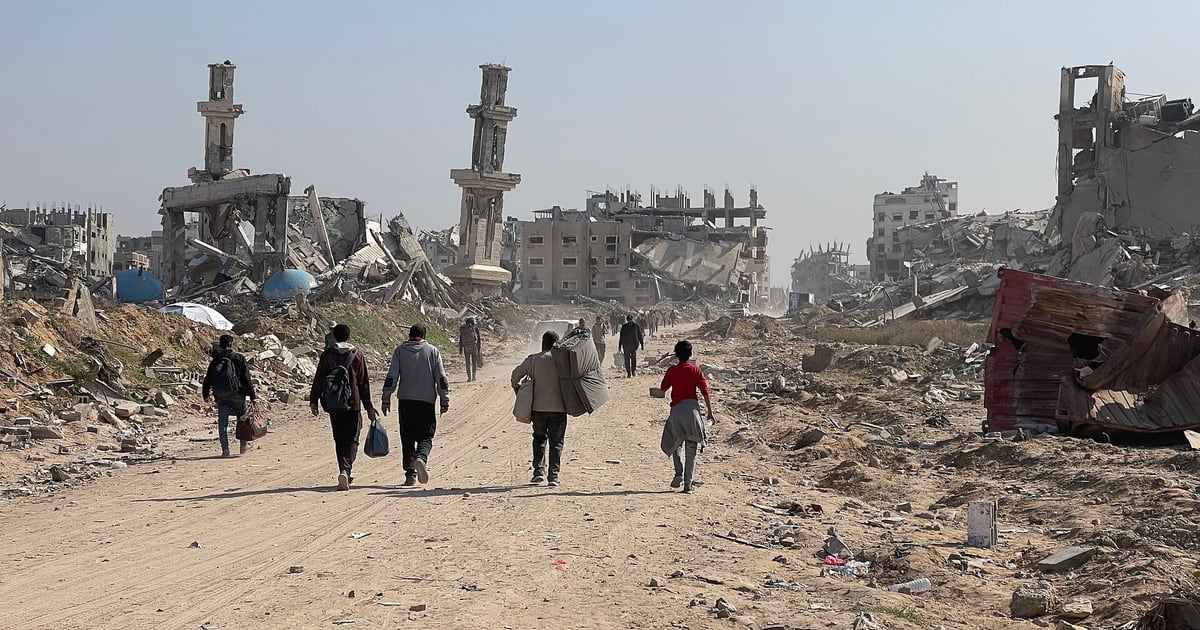
The commercial freeze adds pressure to a fragile humanitarian environment alongside ongoing military operations and detention practices, which we covered in Reports document detention of over 2,000 Palestinian children since 2023. Gaza's Health Ministry reported that roughly 67 percent of the territory's population is projected to face crisis-level food insecurity or worse through the end of 2026. On Friday, Oct. 16, the United Nations warned that nearly one million displaced Palestinians in the Gaza Strip also face flooding risks as winter approaches without adequate seasonal supplies.
Israel has maintained a blockade on the Gaza Strip since 2007, tightly controlling goods entering through official border crossings. Following the outbreak of war in October 2023, access restrictions intensified across the territory. According to the United Nations Office for the Coordination of Humanitarian Affairs, food prices in the Gaza Strip in September 2026 averaged 204 percent above levels recorded prior to October 2023.
Why it matters
Commercial trucks supply Gaza with fresh produce, meat, and seasonal goods excluded from standard relief deliveries. Halting those imports rapidly drives up prices in an economy where food costs already average triple pre-war levels and two-thirds of residents face severe food insecurity.
What's next
Israeli authorities have not outlined conditions for resuming commercial traffic, while humanitarian agencies monitor whether international mediators will resolve disputes over truck fees and cash liquidity before winter storms reach displacement camps.
Sources · 3 reports
Spotted an error? Write to [email protected]. Tags: Israel, Gaza Strip, United Nations, Food insecurity, Humanitarian aid.


