JD Vance declines to endorse Netanyahu after defending Iran policy at town hall
The vice president parted ways with President Donald Trump on Israel's election days after facing voter questions on fuel prices and military casualties in Michigan.


Listen
The rundown
- Vice President JD Vance declined on Monday, Oct. 19, to endorse Israeli Prime Minister Benjamin Netanyahu, breaking with President Donald Trump's full endorsement a day earlier.
- During a CBS News town hall in Michigan that aired on Saturday, Oct. 17, Vance maintained that the United States has in some ways decisively won the war against Iran.
- Vance argued that gasoline prices will fall once the military conflict with Iran concludes, while facing confrontation from the widower of a U.S. soldier killed in Kuwait.
- Vance said during the town hall that he has not yet decided whether to run for president in 2028 and that federal officials must act when immigration officers make mistakes.
Vice President JD Vance declined on Monday, Oct. 19, to endorse Israeli Prime Minister Benjamin Netanyahu for reelection, breaking with President Donald Trump just days after defending the administration's Middle East policies during a televised town hall. Appearing on the program 2WAY Tonight with host Mark Halperin, Vance stated that he does not get involved in Israeli elections. The vice president said he is neither endorsing nor anti-endorsing Netanyahu and asserted that his focus remains on backing American candidates ahead of the 2026 midterm elections.
Vance's remarks followed Trump's announcement on Sunday, Oct. 18, on Truth Social offering Netanyahu his total backing. Trump described the prime minister as an essential ally and a partner for peace in confronting Iran who must be reelected. Netanyahu welcomed the support, calling Trump an extraordinary friend of Israel. Although Vance maintained he only endorses domestic candidates, the vice president was reported to have traveled to Hungary in April to campaign alongside then-Prime Minister Viktor Orban before Orban lost his reelection bid.
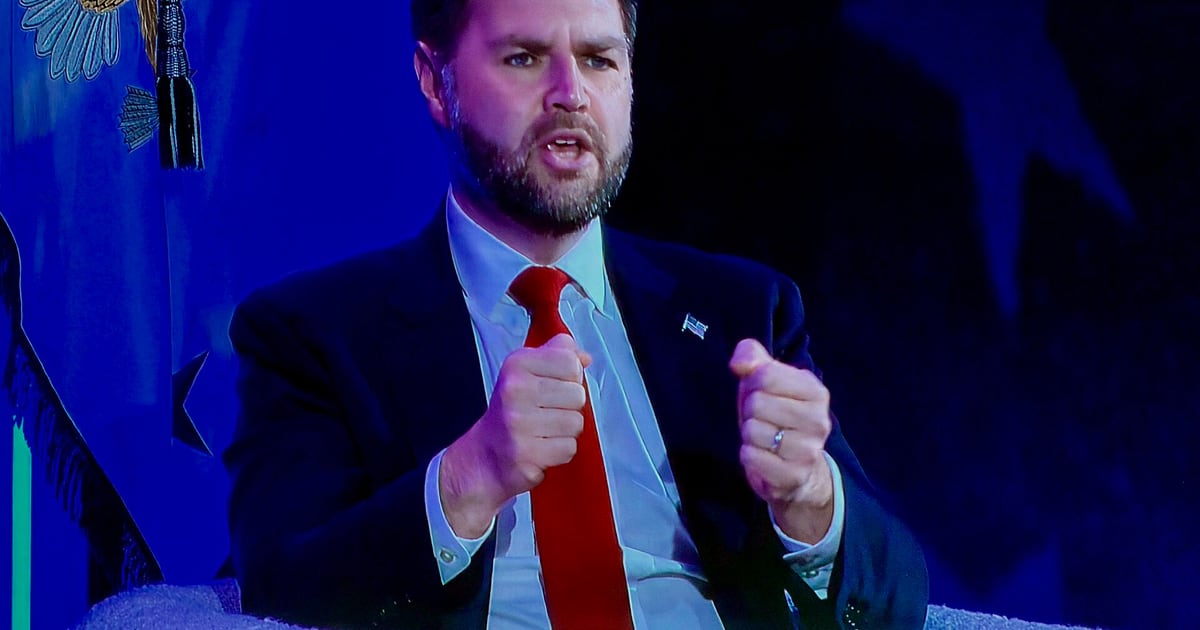
The divergence over foreign endorsements came after Vance participated in a CBS News town hall in Michigan moderated by CBS Evening News anchor Tony Dokoupil, which was recorded on Thursday, Oct. 15, and aired on Saturday, Oct. 17. During the event, Vance defended the administration's handling of inflation and the military conflict with Iran, maintaining that in some ways the United States has decisively won the war. The United States entered the military confrontation with Iran in late February, leaving 21 U.S. service members dead.
At the Michigan event, Vance faced voter pushback over military casualties and high fuel prices. Joey Amor, the widower of a U.S. Army Reserve soldier killed in an Iranian drone strike, confronted the vice president regarding fundamental failures that led to his wife's death in Kuwait. On the economic effects of the conflict, Vance conceded that energy relief depends on resolving the war and argued that gasoline prices will drop once the military conflict with Iran concludes.
Vance also addressed domestic enforcement and his political future during the town hall. He stated that federal officials must take action when immigration officers make mistakes. Regarding the next presidential contest, Vance indicated he has not yet made a decision about whether to run in 2028.
The town hall and subsequent interview took place as Republican candidates face significant political challenges from fuel price increases and broader inflation ahead of the 2026 midterm elections. Even with pauses in active fighting against Iran, oil prices have remained elevated, adding to the economic pressures detailed in our prior coverage of inflation worrying Republicans ahead of midterms. The administration's defense of its record comes as Trump shifts midterm travel to conservative states as Republican map tightens and young voters who backed Trump in 2024 shift away from Republicans ahead of midterms.
Why it matters
The military confrontation with Iran that began in late February has left 21 U.S. service members dead and kept oil prices elevated despite pauses in active fighting. The resulting fuel price increases and broader inflation have posed significant political challenges for Republican candidates ahead of the 2026 midterm elections, while Vance's refusal to endorse Netanyahu introduces a public divergence with Trump over foreign political backing.
What's next
Vance said his focus remains on supporting American candidates in the 2026 midterm elections. Questions remain over how the divergence between Trump and Vance on foreign endorsements will affect midterm campaign messaging, whether Vance will support other international leaders after campaigning for Viktor Orban in April, and what specific conditions the administration will require to declare a formal end to the war with Iran.
Sources · 3 reports
Spotted an error? Write to [email protected]. Tags: JD Vance, Donald Trump, Benjamin Netanyahu, Iran, 2026 midterms, CBS News.


