U.S. forces repel unauthorized drone incursion at British air base
American security personnel deployed counter-drone systems at RAF Lakenheath, leaving the operators and payloads unconfirmed after no aircraft were recovered.


Listen
The rundown
- U.S. security forces repelled an unauthorized drone incursion around Royal Air Force Lakenheath in England on Friday, Nov. 13.
- The U.S. Air Force confirmed the incident on Saturday, Nov. 28, reporting no damage to personnel, aircraft, or infrastructure.
- Around six drones were repelled using counter-drone technology, though authorities recovered none of the aircraft.
- The United Kingdom Ministry of Defence is investing £470 million in base security upgrades, including counter-drone tools.
- The incident follows elevated security at British bases hosting U.S. forces after an alleged September plot against RAF Fairford.
U.S. security forces repelled an unauthorized drone incursion around Royal Air Force Lakenheath in Suffolk, England, on Friday, Nov. 13. The U.S. Air Force confirmed the encounter on Saturday, Nov. 28, stating that no personnel, aircraft, or base infrastructure sustained damage.
According to reporting on the incident, approximately six unauthorized drones were spotted around the installation before American security personnel deployed counter-drone technology to repel them. The U.S. forces acted in cooperation with British authorities and local police. Military authorities did not recover any of the unmanned aircraft, preventing officials from determining who operated them or whether they carried surveillance equipment or weapons.
In confirming the response, the U.S. Air Force said it maintains a layered and proactive base defense in partnership with British authorities. The service declined to discuss the specific counter-drone systems used during the Nov. 13 encounter, citing operational security.
In Washington, U.S. Rep. Mike Haridopolos of Florida, a member of the House Science, Space and Technology Committee, called the unauthorized drone activity an ongoing national security threat. Haridopolos urged congressional hearings and action in the defense budget to address base defense gaps.
Reporting on the incursion indicated that Iran may have been connected to the drone activity over the base. Tehran has previously warned that military installations used to launch actions against Iranian territory are legitimate targets, though the Iranian government has denied involvement in earlier plots against British bases. The incident comes amid wider operational tension, after an AP analysis found Iran targeted U.S. air defenses before hitting regional bases in the Middle East.
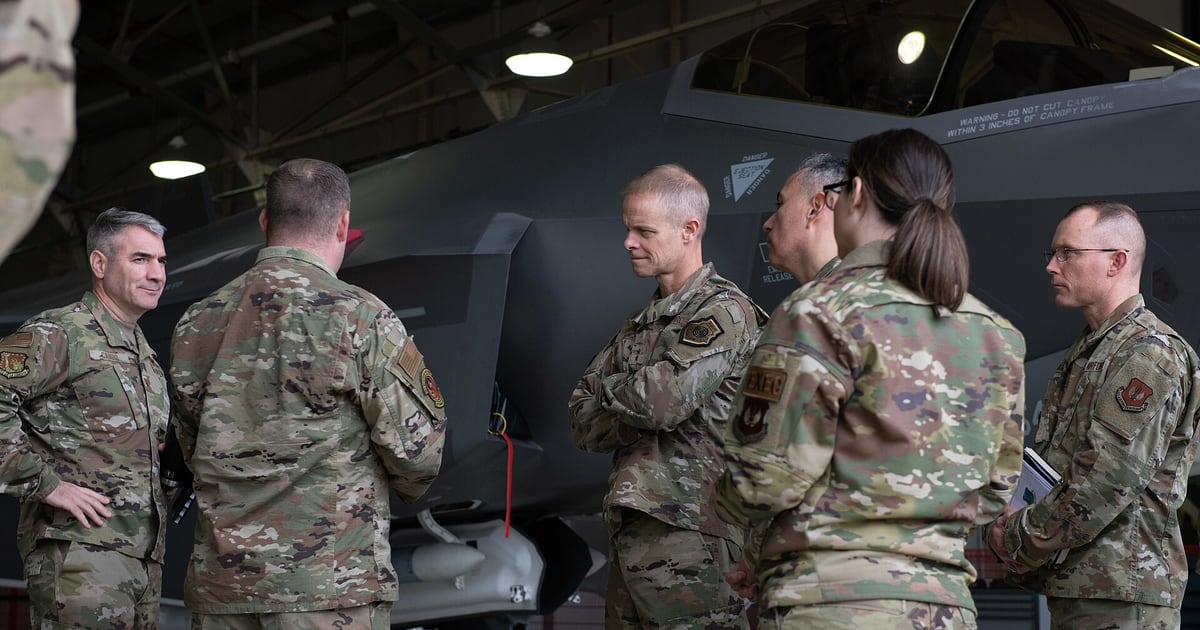
RAF Lakenheath hosts the U.S. Air Force's 48th Fighter Wing, the largest American fighter operation in Europe. The wing maintains four combat-ready squadrons and nearly 7,000 military and civilian personnel.
The incursion occurred during heightened security across British installations used by American forces. On Tuesday, Nov. 10, federal prosecutors in New York indicted three Iran-backed operatives over alleged plots in Europe and Canada, including a foiled September plot in which operatives dispatched three vans packed with fuel drums and metal shrapnel toward RAF Fairford in England. The Pentagon previously relocated bomber aircraft away from RAF Fairford in response to security concerns.
To bolster domestic defenses, the United Kingdom Ministry of Defence is spending an additional £470 million on military installation security, which includes upgrades to counter-drone capabilities. European militaries have moved more broadly to address unmanned systems vulnerabilities; on Thursday, Nov. 12, the German military grounded Quantum Systems drones and banned Chinese training models over cyberattack and security risks.
Why it matters
Unexplained drone activity over RAF Lakenheath highlights ongoing security and surveillance vulnerabilities at European installations hosting American forces outside active conflict zones. Because authorities did not recover the aircraft, military officials cannot confirm who launched them or whether the drones conducted reconnaissance or carried weapons.
What's next
Authorities have yet to identify the manufacturers or operators of the drones, and it remains unclear whether the incursion will prompt further changes to U.S. aircraft deployments in the United Kingdom. In Congress, Haridopolos is seeking committee hearings and defense budget measures focused on counter-drone security.
Sources · 3 reports
Spotted an error? Write to [email protected]. Tags: U.S. Air Force, United Kingdom, Drones, RAF Lakenheath, Iran, National security.


