Hamas accused of seizing tents as deadly winter storms flood Gaza camps
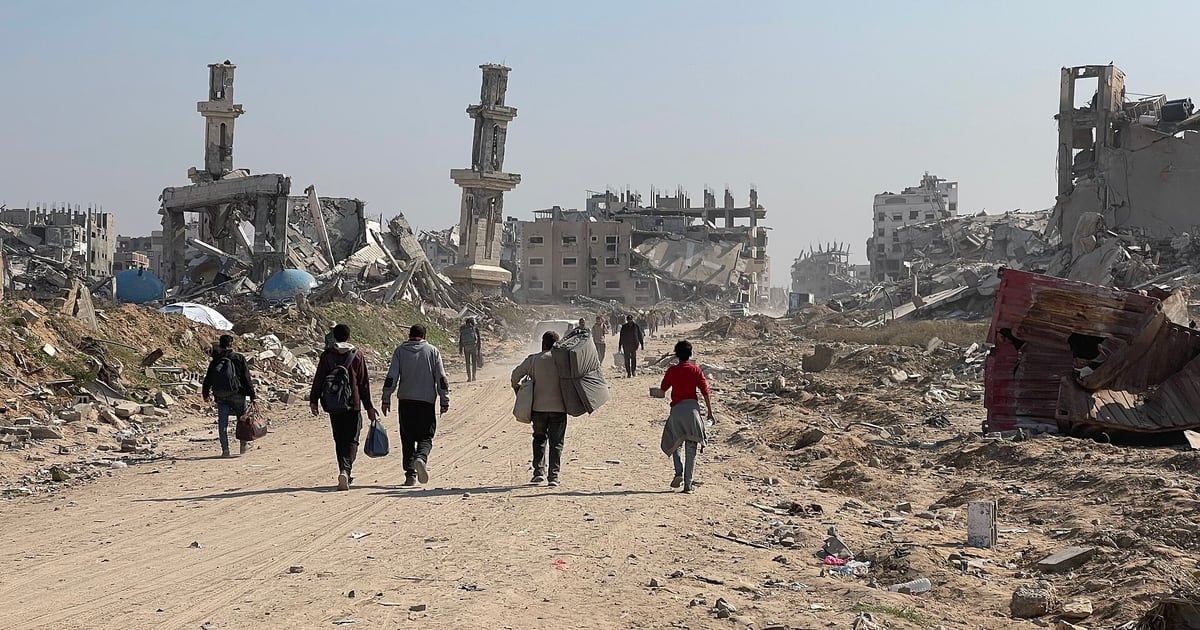
Widespread flooding and mudslides have killed five civilians, intersecting with Hamas's efforts to rebuild authority and control scarce winter aid.


Listen
The rundown
- Severe winter storms in early November 2026 flooded displacement camps across the Gaza Strip, and mudslides killed five civilians.
- The Telegraph reported on Tuesday, Nov. 10, that Hamas seized tents from displaced Gazans during the storms.
- Israeli defense agency COGAT reported facilitating the entry of more than 91,000 tents and 8,200 trucks of winter equipment between September and November 2026.
- The Hamas-run Government Media Office claimed 70,000 tents flooded within 12 hours of the first storm, estimating $3 million in losses and blaming Israeli restrictions.
- The Israeli military controls over 60 percent of Gaza while Hamas retains administrative authority and an estimated 30,000 personnel in the remaining area.
Severe winter storms flooded displaced persons' camps across the Gaza Strip in early November 2026, triggering mudslides that killed five civilians as Hamas worked to reassert control over the territory and scarce humanitarian resources. On Tuesday, Nov. 10, The Telegraph reported that Hamas seized tents from displaced Gazans during the severe weather.
The first winter storm arrived in Gaza on Friday, Nov. 6, turning displacement encampments into standing water. Within 12 hours of the initial rainfall, the Hamas-run Gaza Government Media Office issued a statement on Saturday, Nov. 7, claiming that 70,000 tents had flooded and estimating losses at $3 million.
Prior to the storm, the Hamas-run Gaza Winter Emergency Committee announced a winter response plan on Sunday, Nov. 1, stating that the territory needed 200,000 tents and one million tarpaulins. Hamas and Gaza emergency officials held Israel responsible for the shelter crisis, saying Israeli border restrictions blocked the heavy machinery, fuel, and construction materials required to protect displaced families.
Israeli defense authorities disputed that account, citing months of winterization shipments and the need to prevent aid diversion. COGAT, the Israeli Ministry of Defense agency that coordinates civilian and humanitarian policy in the Palestinian territories, began public updates on winter shelter shipments on Friday, Sept. 4. On Thursday, Nov. 5, the day before the first storm hit, COGAT stated that it had facilitated the entry of more than 91,000 tents and 8,200 trucks of winter equipment into Gaza between September and November, while pledging measures to prevent Hamas from diverting supplies.
HonestReporting, a media watchdog where Justin Pozmanter serves as news director, argued that Hamas pre-scripted the disaster narrative before rainfall began to influence international coverage and deflect responsibility for local infrastructure conditions.
The dispute over winter shelter follows earlier tensions over aid and commerce entering the strip. In mid-October, Israel halts commercial goods into Gaza, driving rapid food price spikes after Israeli officials said Hamas and local authorities were imposing unauthorized taxes on commercial trucks, cutting off private imports of food and winter supplies.
Throughout the storm crisis, Hamas has worked to demonstrate administrative authority in Palestinian-held areas of the strip. The group deployed police officers wearing civilian-style vests to regulate public markets, monitor prices, and apprehend thieves. According to a Saturday, Nov. 14 report by Ynetnews, Hamas is also rebuilding its armed capacity, maintaining an estimated 30,000 operatives and replacing fallen commanders.
The winter crisis highlights the stalled political arrangement in Gaza more than a year after a ceasefire took effect. Approximately 70 percent of Gazans remain displaced, and the Israeli military controls more than 60 percent of the territory, remaining entrenched along the Yellow Line. Meanwhile, in Israel, Netanyahu falls short of Knesset majority as high Arab turnout reshapes Israeli vote, leaving Prime Minister Benjamin Netanyahu's bloc without an independent path to a governing majority.
International mechanisms proposed to govern and reconstruct Gaza, involving U.S. President Donald Trump and former British Prime Minister Tony Blair, a senior member of the Board of Peace, have not been implemented. Because the planned technocratic administration and foreign security contingents have not deployed, Hamas retains primary authority across the remaining Palestinian-controlled territory.
Why it matters
With approximately 70 percent of Gaza's population displaced more than a year after a ceasefire, control over winter shelter and commerce directly determines civilian living conditions. In the absence of international transitional governing bodies, the delivery and distribution of humanitarian aid remain central to Hamas's effort to preserve administrative and security control across the roughly 40 percent of the strip outside Israeli military jurisdiction.
What's next
Humanitarian observers are monitoring what specific oversight mechanisms COGAT and the Board of Peace deploy to track shelter shipments and curb diversion. Observers also await whether the international technocratic administration and security deployments planned under the peace framework will materialize to manage aid distribution in Gaza.
Sources · 3 reports
Spotted an error? Write to [email protected]. Tags: Gaza, Hamas, Israel, Humanitarian aid, COGAT.


