Netanyahu rejects Obama's remarks on Israeli founding and Palestinian land
The Israeli prime minister said the Jewish people are not colonizers after the former U.S. president argued Israel ceded moral ground.


Listen
The rundown
- Israeli Prime Minister Benjamin Netanyahu released a video on Friday, Oct. 16, rejecting recent comments by former U.S. President Barack Obama.
- Speaking in Belfast on Tuesday, Oct. 13, Obama stated that early Jewish settlers took land from Palestinians who were expelled and understandably demanded it back.
- Obama argued that relying on military force rather than political concessions erodes Israel's moral standing and long-term security, while also condemning Hamas' Oct. 7, 2023, attacks.
- Netanyahu called Obama's remarks regrettable, stating that Israel is the Jewish people's ancestral homeland and blaming regional enemies for blocking peace.
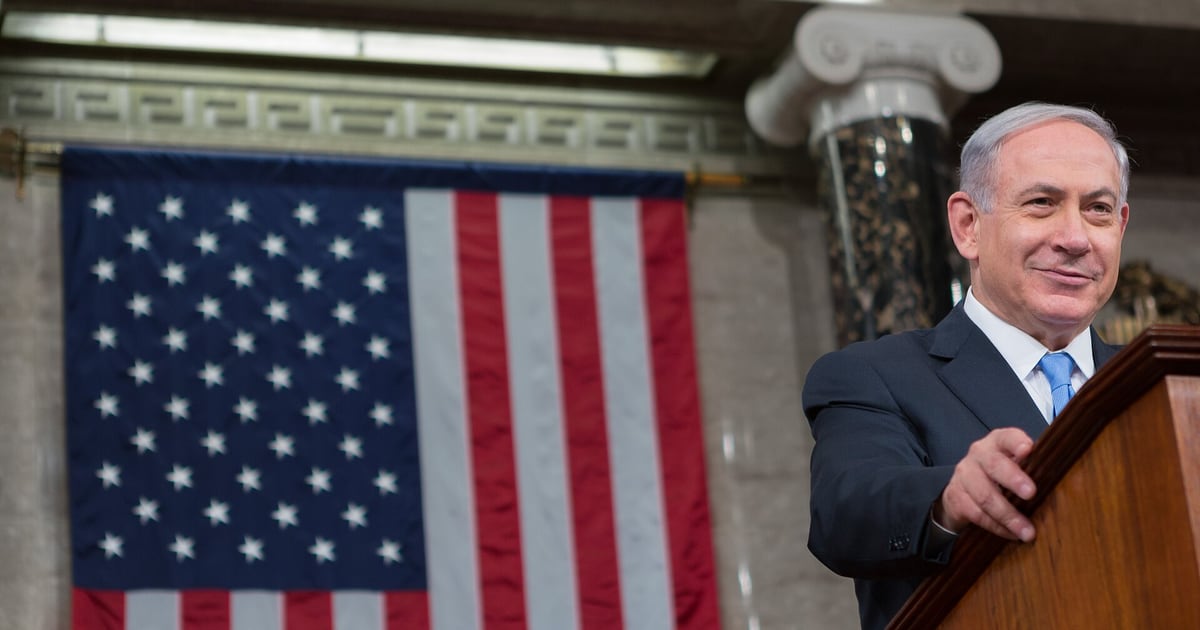
Israeli Prime Minister Benjamin Netanyahu rejected remarks by former U.S. President Barack Obama in a video statement published on social media on Friday, Oct. 16. Netanyahu described Obama's characterization of Israel's founding and security policy as regrettable and stated that the Jewish people are not foreign occupiers or colonizers in their ancestral homeland.
The exchange began during an appearance by Obama in Belfast on Tuesday, Oct. 13, where he addressed the historical origins of the Israeli-Palestinian conflict and Israeli military strategy. During the event, Obama stated that while Jewish people historically sought refuge, early Jewish settlers took land from Palestinians who were expelled. According to Obama, Palestinians understandably viewed the founding of Israel as an injustice and demanded their land back.
Obama also criticized Israel's reliance on military power over political concessions. He argued that relying solely on military dominance rather than making concessions has ceded moral ground and damaged Israel's long-term security. In his view, lasting security requires recognizing the grievances of displaced Palestinians and maintaining ethical restraint.
At the same time, Obama condemned the Oct. 7, 2023, attacks by Hamas. He urged Palestinians to abandon armed conflict in favor of nonviolent strategies.
In his Friday response, Netanyahu rejected the premise that Jewish presence in the region is a colonial enterprise, maintaining instead that it represents an indigenous return. He argued that the true barrier to peace in the Middle East is not a lack of territorial concessions, but the refusal of regional adversaries and common enemies of Israel and the United States to recognize a Jewish state's right to exist.
The public disagreement revives a long-standing divide between the two leaders that dates back to Obama's presidency. During Obama's time in office, relations between the White House and Netanyahu's government were marked by frequent disagreements over Israeli settlement construction and Middle East diplomacy.
The status of land claims and populations displaced during the 1948 founding of Israel remains a central dispute in the Israeli-Palestinian conflict. The rhetorical clash between Obama and Netanyahu comes amid ongoing debates over Israeli military and detention practices, highlighted in recent coverage after Reports document detention of over 2,000 Palestinian children since 2023, as well as West Bank tensions examined in our report on how Masked settlers attack Washington Post photojournalist and Palestinians in West Bank.
Meanwhile, the regional adversaries referenced by Netanyahu remain active across the Middle East. Recent developments include Lebanon, where Hezbollah claims seized explosives in Lebanon, sparking domestic political fallout, and the Persian Gulf, where Iranian attacks sink two ships in Strait of Hormuz ahead of U.S. election.
Why it matters
The exchange underscores enduring divides between Netanyahu's government and prominent U.S. Democrats over the roots of the 1948 displacement of Palestinians, settlement construction, and whether Israel's long-term security depends on political concessions or military strength against regional adversaries.
What's next
Political observers are watching to see whether current U.S. administration officials respond to the differing stances voiced by Obama and Netanyahu, and how the public exchange affects upcoming U.S. Senate races where Obama is actively campaigning.
Sources · 3 reports
Spotted an error? Write to [email protected]. Tags: Israel, Benjamin Netanyahu, Barack Obama, Palestinians, Middle East.


