Magyar meets Zelenskyy in Uzhhorod as Hungary and Ukraine seek to reset relations
The Hungarian prime minister declared solidarity against Russian aggression during his first bilateral meeting with the Ukrainian president, though Budapest kept its weapons transit ban in place.


Listen
The rundown
- Hungarian Prime Minister Peter Magyar and Ukrainian President Volodymyr Zelenskyy met in the western Ukrainian city of Uzhhorod on Tuesday, Nov. 24, 2026.
- The two leaders visited a military cemetery and discussed Hungarian diesel supplies, Ukrainian gas storage, and cross-border transport, though no formal agreements were signed.
- Magyar declared solidarity with Ukraine against Russian aggression while maintaining Hungary's ban on supplying weapons or allowing arms shipments across its territory.
- The summit follows Ukraine's October 2026 passage of a minority language rights law, which prompted Hungary to drop its veto on opening European Union accession negotiating clusters.
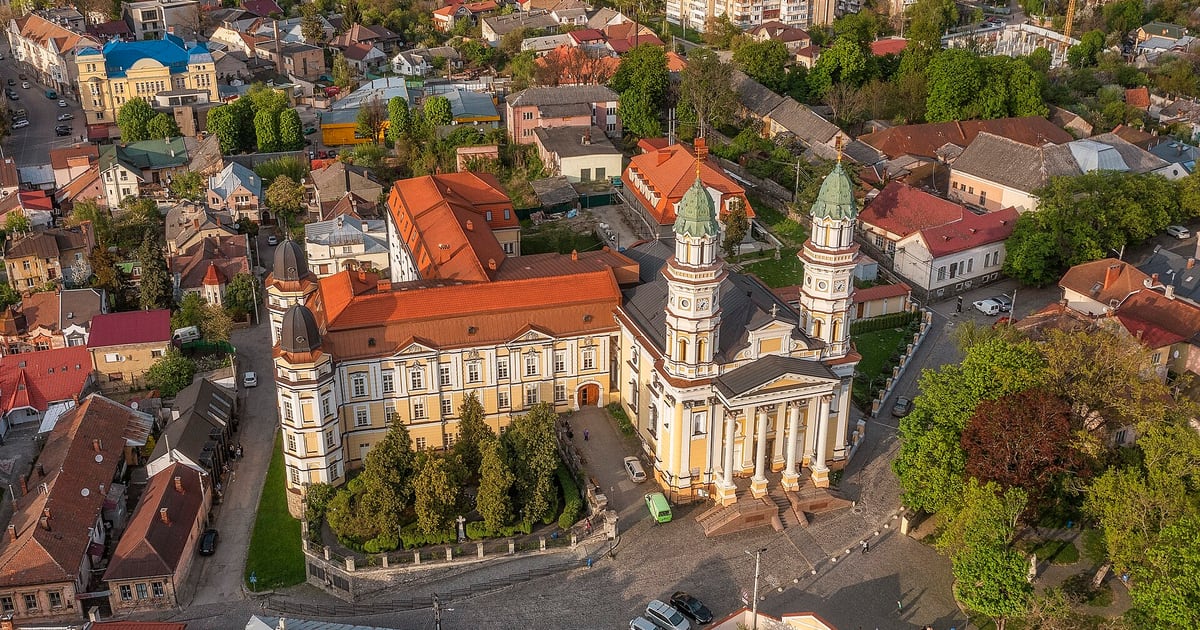
Hungarian Prime Minister Peter Magyar met Ukrainian President Volodymyr Zelenskyy in the western Ukrainian city of Uzhhorod on Tuesday, Nov. 24, 2026, signaling an effort to reset bilateral relations after years of disputes. The two leaders laid flowers at a military cemetery commemorating fallen Ukrainian soldiers before holding talks on energy cooperation, cross-border infrastructure, and minority protections. During the visit, Magyar explicitly stated Hungarian solidarity with Ukraine against Russian aggression.
The discussions covered Hungarian diesel supplies, the use of Ukrainian gas storage, and cross-border transport projects, including rail connections. The summit concluded without any signed formal agreements. While seeking to end political escalation and support Ukrainian sovereignty, Magyar maintained Hungary's refusal to supply weapons to Ukraine or permit arms shipments to transit across Hungarian territory.
The Uzhhorod summit marks a shift from the policies of former Hungarian Prime Minister Viktor Orban, whose government routinely blocked European Union financial and military aid packages for Ukraine. After taking office in May 2026 on a pledge to reset ties, Magyar initiated negotiations to clear obstacles to Kyiv's European integration. In June 2026, Budapest presented a 10-point plan detailing demands for protecting the roughly 80,000 ethnic Hungarians living in Ukraine's Transcarpathia region.
Friction continued through the summer and early autumn. Magyar previously claimed that Ukraine treated ethnic Hungarians as second-class citizens, and in late September 2026 he criticized Ukraine's Carpathian Eight regional initiative during a speech in the Hungarian parliament. The breakthrough came in early October 2026 when the Ukrainian parliament adopted a new minority language rights law, building on Kyiv's late 2023 withdrawal of planned language restrictions.
Following the October legislation, Hungary dropped its veto on opening EU accession negotiating clusters for Ukraine. That diplomatic thaw preceded a wider review in Brussels, where the EU tells Ukraine to speed up anti-corruption reforms, sets cautious path for accession. The Ukrainian presidency has welcomed Magyar's gestures of respect for fallen soldiers and seeks normalized relations with Budapest to ease its path toward EU integration.
Inside Ukraine, reaction to the meeting combined optimism with caution. Transcarpathian Hungarian minority representatives regarded the bilateral meeting as historic and expect rapid practical implementation of minority rights protections. Conversely, Ukrainian civil society analysts view Magyar's visit to Transcarpathia and his continued caution as concessions to a polarized Hungarian domestic electorate.
Public opinion in Hungary remains divided on support for Kyiv, even as other European states deepen military coordination and European troops to rehearse postwar Ukraine deployment in Poland. According to a November 2026 Globsec poll, 33% of Hungarians support providing military aid to Ukraine. By keeping the weapons transit ban in place while advancing energy and infrastructure talks, Magyar's government aims to balance domestic constraints with a more cooperative diplomatic posture toward Kyiv.
Why it matters
For years under Viktor Orban, Budapest routinely obstructed European Union financial and military assistance to Kyiv over disputes centered on the roughly 80,000 ethnic Hungarians in Transcarpathia. By resolving the standoff over minority language legislation and lifting Hungary's veto on EU negotiating clusters, Magyar's government has removed a major bilateral obstacle to Ukraine's European integration, even as Hungary continues to abstain from military support.
What's next
Both governments must still determine when to formalize the proposed agreements on Hungarian diesel supplies, Ukrainian gas storage, and cross-border rail connections. Observers will also watch how quickly Ukraine implements the practical administrative measures for minority language education under its October law, and whether Hungary decides to participate in Kyiv's Carpathian Eight regional initiative.
Sources · 3 reports
Spotted an error? Write to [email protected]. Tags: Hungary, Ukraine, Peter Magyar, Volodymyr Zelenskyy, European Union.


