EU tells Ukraine to speed up anti-corruption reforms, sets cautious path for accession
The European Commission's annual enlargement report designates Kyiv a frontrunner alongside Moldova, Montenegro, and Albania, but projects slower progress on closing policy chapters.


Listen
The rundown
- The European Commission designated Ukraine an enlargement frontrunner on Wednesday, Nov. 4, 2026, alongside Moldova, Montenegro, and Albania.
- A companion roadmap targets the provisional closure of seven negotiating chapters for Ukraine in 2027, compared with more than 20 areas for Moldova.
- The Commission warned that a December 2025 10-point reform plan remains mostly outstanding and that Ukraine passed no major anti-corruption laws over the past year.
- Brussels urged EU member states to open Ukraine's final two negotiating clusters on resources and the green agenda by the end of 2026.
- The Ukrainian government aims to conclude all accession negotiations by the end of 2028 using a joint rule-of-law task force launched in October 2026.
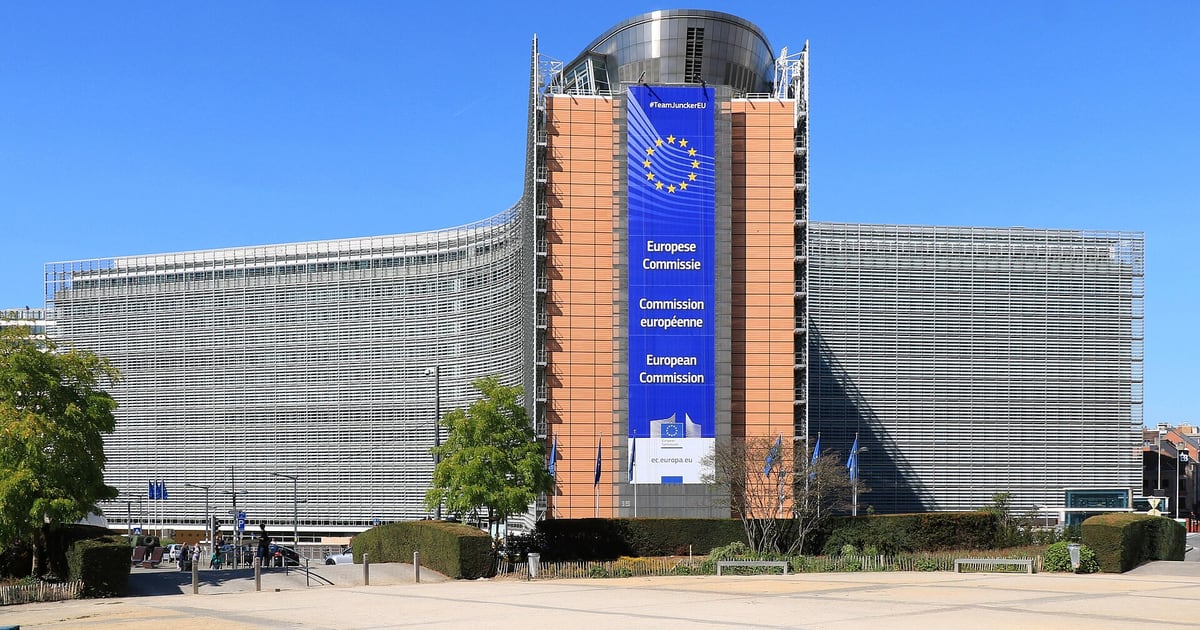
The European Commission designated Ukraine an enlargement frontrunner on Wednesday, Nov. 4, 2026, while warning that Kyiv must accelerate anti-corruption and rule-of-law reforms to keep its membership bid on track. In its annual enlargement assessment, the Commission placed Ukraine in the top tier of candidates alongside Moldova, Montenegro, and Albania, praising its digitalization progress and economic potential in energy, defense, and raw materials. At the same time, a companion roadmap laid out a more cautious timeline for Kyiv than for neighboring Moldova.
The roadmap projects that Ukraine will provisionally close seven policy chapters in 2027, whereas Moldova is slated to conclude negotiations in more than 20 areas over the same period. Joining the bloc requires candidate countries to align national laws and administrative institutions across dozens of policy chapters grouped into six clusters; The Kyiv Independent reported the total number of chapters as 33, while POLITICO reported 35. The Commission avoided setting a formal target date for Ukraine's full accession.
Brussels pointed to stalled domestic legislation as the primary hurdle. According to the report, a 10-point reform plan established in December 2025 remains mostly outstanding, and Ukraine adopted no major laws advancing its anti-corruption legal framework over the past year. The Commission also identified resistance to involving independent international experts in judicial appointments and an insufficiently transparent Prosecutor General appointment process as urgent concerns.
The assessment criticized Ukraine's media funding priorities as well. The Commission noted that Kyiv continues to allocate approximately 1.5 billion hryvnias, or $32.9 million, in state funds to the United News telethon despite falling audience trust, while the public broadcaster Suspilne remains underfunded.
The European Commission acknowledged Ukraine's strategic importance and commitment to reform during wartime, as Russian missile strikes on Ukraine kill at least 9 and cut power to 500,000. However, the Commission stated that negotiating chapters cannot provisionally close without strict compliance on judicial and anti-corruption benchmarks. Even so, it urged EU member states to open Ukraine's final two negotiating clusters, which cover resources and the green agenda, before the end of 2026, finding that Kyiv has fulfilled the required conditions.
The Ukrainian government, led by President Volodymyr Zelenskyy and Prime Minister Serhii Koretskyi, who took office in July 2026, aims to open those final clusters by December 2026 and finish all accession negotiations by the end of 2028. To clear the interim benchmarks, the EU and Ukraine launched a joint task force on the rule of law in October 2026, the same month Ukraine and Moldova opened negotiation chapters on the internal market.
Ukraine formally applied for EU membership on Monday, Feb. 28, 2022, following Russia's full-scale invasion, and secured candidate status alongside Moldova in June 2022. Both countries formally opened accession negotiations in June 2024, and Ukraine joined the EU's mobile roaming area in January 2026. The enlargement review arrives as Kyiv faces broader resistance among some bloc members over funding, after Central European leaders reject 70 billion euro Ukraine aid package as EU seeks G7 cash in October.
Why it matters
While the European Commission still classifies Ukraine as an accession frontrunner, its 2027 roadmap signals a potential decoupling from Moldova, which is projected to close more than three times as many negotiating areas next year. Without new legislation on judicial appointments and anti-corruption frameworks, Kyiv risks falling short of its goal to finish accession talks by the end of 2028.
What's next
European Union member states must decide whether to unanimously approve opening Ukraine's final two negotiating clusters on resources and the green agenda before the end of December 2026. Meanwhile, a joint EU-Ukraine task force launched in October 2026 will work with Kyiv to address outstanding rule-of-law benchmarks and stalled items from the December 2025 reform plan.
Sources · 3 reports
Spotted an error? Write to [email protected]. Tags: European Union, Ukraine, Moldova, EU enlargement, European Commission, Volodymyr Zelenskyy.


