Estonia to close road border crossings with Russia after defense firm sabotage attempt
Authorities detained eight suspects in an attempted attack on drone maker Threod Systems and attributed the operation to Russian military intelligence.


Listen
The rundown
- Estonia plans to close all road border crossings with Russia starting on Tuesday, Dec. 1, following a thwarted attack on a domestic defense contractor.
- Law enforcement detained eight suspects on Saturday, Nov. 14, after an attempted break-in at drone maker Threod Systems in Viimsi.
- The Estonian Internal Security Service determined that Russia's military intelligence service, the GRU, directed the operation.
- The detained suspects include Latvian citizens and non-citizens, drawing condemnation from authorities in Riga.
- Estonian officials will decide whether the road border closures at Narva, Luhamaa, and Koidula will be temporary or indefinite.
Estonia will close its road border crossings with Russia on Tuesday, Dec. 1, following an attempted arson and explosive attack on a domestic defense company. Estonian officials announced the planned shutdown on Sunday, Nov. 15, one day after authorities thwarted the operation.
Law enforcement detained eight people on the morning of Saturday, Nov. 14, as the suspects attempted to break into the Viimsi facility of drone manufacturer Threod Systems. According to authorities, the group planned to cause an explosion and set the facility on fire. The Estonian Internal Security Service determined that the sabotage attempt was directed by Russia's military intelligence agency, the GRU.
Estonian Interior Minister Igor Taro said the government will discuss whether the Dec. 1 closure of the road crossings will be temporary or indefinite. Prime Minister Kristen Michal, Foreign Minister Margus Tsahkna, and parliamentary Foreign Affairs Committee Chairman Marko Mihkelson have also addressed the response. The Estonian government said shutting the border will disrupt Russian intelligence operations, curb sanctions circumvention, and penalize Moscow for hostile actions.
The suspects arrested in the Viimsi operation include both Latvian citizens and non-citizens. Latvian Interior Minister Janis Dombrava and the Latvian government condemned the recruited operatives and expressed support for cross-border law enforcement cooperation to counter Russian-backed operations. Russia made no immediate comment regarding the Estonian allegations.
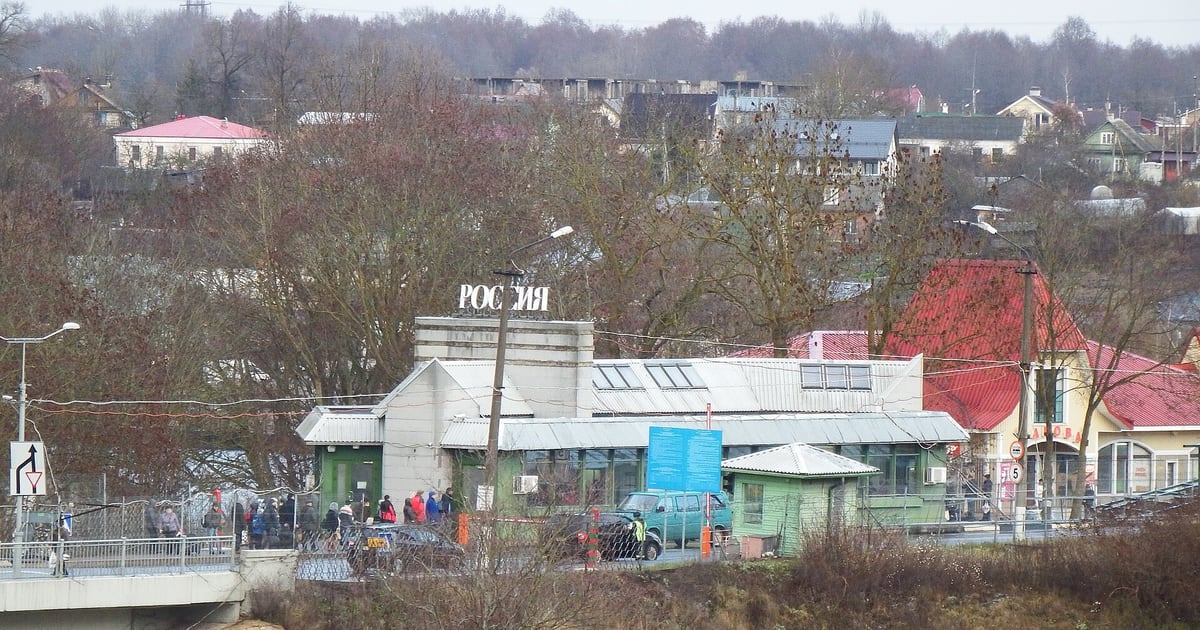
Estonia currently operates three road border crossings with Russia at Narva, Luhamaa, and Koidula, which are open 12 hours a day for pedestrians and cargo. Since Russia's 2022 invasion of Ukraine, these checkpoints have served as some of the few remaining overland entry points between Russia and the European Union.
The incident at Threod Systems is the second known sabotage attempt against Estonia's defense sector in recent months. In August, an attempted arson targeted Tallinn-based defense manufacturer Milrem Robotics.
The arrests in Viimsi come amid wider regional alerts over Russian intelligence activity. Earlier in the month, Poland deploys special forces to Russian border after intelligence warnings from Monday, Nov. 2, through at least Sunday, Nov. 8, after Polish and allied intelligence agencies warned of potential sabotage operations and provocations during the first half of November. Northern European states have also moved to tighten maritime security, as the UK and nine northern European allies sign pact to counter Russian undersea threats on Tuesday, Nov. 10, to share control of autonomous maritime drones across the Baltic Sea and North Atlantic.
These security measures coincide with broader military preparations and diplomatic friction across the continent. From Monday, Nov. 9, to Sunday, Nov. 22, roughly 2,800 troops from 12 countries are taking part as European troops to rehearse postwar Ukraine deployment in Poland. Those exercises follow late October remarks in which Putin says Russia is ready for war with Europe while calling for restored ties, stating on Thursday, Oct. 29, that Moscow was prepared for a conflict while also expressing a desire to avoid armed confrontation.
Why it matters
Closing the crossings at Narva, Luhamaa, and Koidula will shut down some of the few remaining overland transit routes for pedestrians and cargo between Russia and the European Union. Estonian officials say the measure is necessary to disrupt Russian intelligence activities and prevent the circumvention of sanctions following repeated sabotage attempts against domestic defense firms.
What's next
The Estonian road border closure is scheduled to take effect on Tuesday, Dec. 1. Before then, the Estonian government will meet to decide whether the shutdown will be temporary or indefinite. Officials have not yet clarified whether railway crossings at Narva and Koidula will remain operational, or whether neighboring Baltic and European states will enact coordinated border closures.
Sources · 3 reports
Spotted an error? Write to [email protected]. Tags: Estonia, Russia, Latvia, European Union, Defense, Intelligence.


