South African court sets aside panel report behind Ramaphosa impeachment push
The Western Cape High Court ruled unanimously that a 2022 parliamentary panel exceeded its mandate when investigating the Phala Phala farm theft.


Listen
The rundown
- The Western Cape High Court on Wednesday, Nov. 25, 2026, declared unlawful and set aside a 2022 parliamentary panel report on the Phala Phala farm theft.
- The court found the independent panel misconstrued its mandate, exceeded its remit, and committed material errors of law.
- The ruling removes the legal foundation for the existing parliamentary impeachment inquiry against South African President Cyril Ramaphosa.
- Opposition parties, including the African Transformation Movement, said the ruling shields Ramaphosa from accountability and indicated plans to appeal.
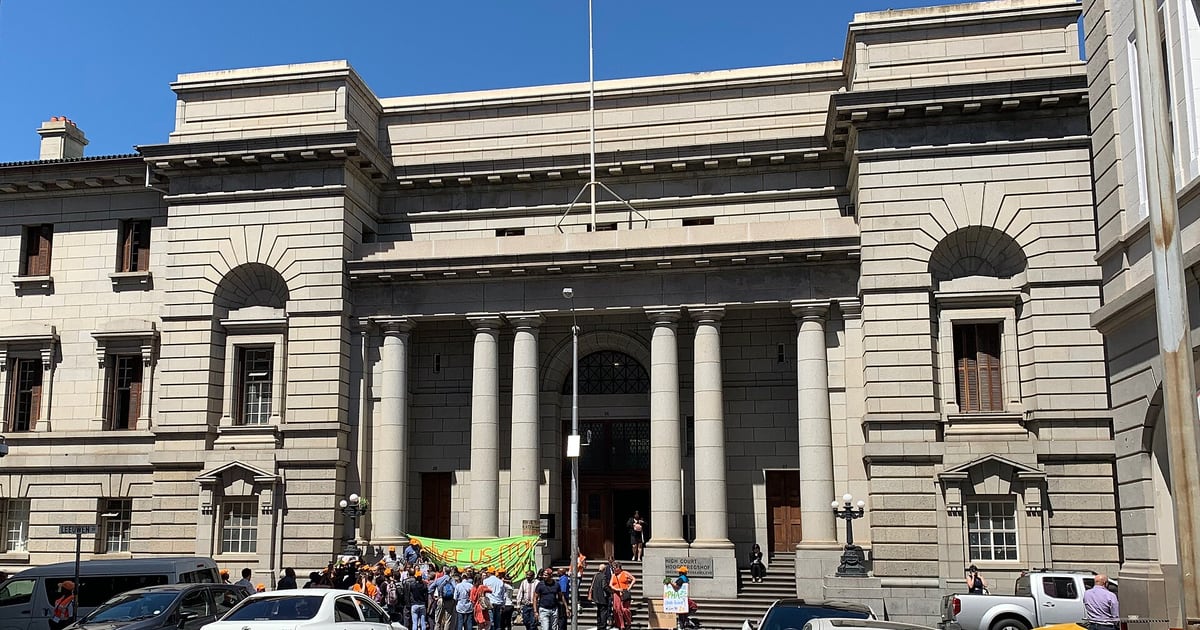
The Western Cape High Court unanimously declared unlawful and set aside the 2022 parliamentary panel report that recommended potential impeachment proceedings against South African President Cyril Ramaphosa. The ruling on Wednesday, Nov. 25, 2026, removes the legal foundation for the existing parliamentary impeachment process over undeclared cash stolen from Ramaphosa's Phala Phala game farm in 2020.
Western Cape High Court Judge Nolwazi Mabindla-Boqwana delivered the unanimous decision. The court found that the independent parliamentary panel fundamentally misconstrued its mandate, exceeded its remit, and made multiple material errors of law in its 2022 findings. According to the court, those legal errors rendered both the panel's report and consequential parliamentary actions invalid.
The panel's late 2022 report had concluded that Ramaphosa had a prima facie case to answer regarding serious misconduct, initiating an impeachment threat under constitutional mechanisms established in 2018. South Africa's parliament initially voted in late 2022 against adopting the panel's findings.
However, in May 2026, South Africa's Constitutional Court ruled that the 2022 parliamentary vote was invalid and ordered lawmakers to establish an impeachment committee. In July 2026, the Western Cape High Court temporarily stayed the parliamentary impeachment inquiry while it conducted a legal review of the 2022 report itself, culminating in the decision on Wednesday, Nov. 25, 2026, to invalidate the report in its entirety.
Ramaphosa's office stated that the president noted the ruling and would study the court's judgment. According to his office, Ramaphosa exercised a legitimate constitutional right in pursuing judicial review of the report and respects judicial independence and the rule of law.
While legal experts noted that the decision effectively halts the current impeachment inquiry, political opponents rejected the outcome. Opposition parties, including the African Transformation Movement, argued that the ruling wrongly shields Ramaphosa from accountability and indicated that they intend to appeal the decision.
The dispute began in 2020 when thieves stole approximately $580,000 in cash hidden inside a sofa at Ramaphosa's Phala Phala game farm in Limpopo province. The theft became public in June 2022 when former South African intelligence chief Arthur Fraser filed a police report accusing the president of money laundering and attempting an unlawful cover-up.
Fraser alleged that Ramaphosa concealed a multi-million-dollar theft from police and tax authorities. Ramaphosa denied any wrongdoing and maintained that the $580,000 stolen from his farm came from a legitimate commercial sale of buffaloes.
The domestic legal victory arrives as Ramaphosa's government navigates external trade pressure, following the Trump administration to remove South Africa and Rwanda from AGOA trade program effective Jan. 1, 2027, a decision announced on Monday, Nov. 2, 2026, that cited concerns over trade barriers, corruption, and South Africa's rule of law.
Why it matters
The ruling removes the legal foundation for the existing parliamentary impeachment inquiry that has hung over Ramaphosa since 2022. It also comes ahead of an African National Congress party conference to choose Ramaphosa's successor, raising questions about how the removal of the impeachment threat will affect internal leadership dynamics within the governing party.
What's next
Opposition parties have indicated plans to challenge the Western Cape High Court ruling, leaving open whether they will secure leave to appeal to a higher court. Lawmakers must also decide whether parliament will attempt to establish an alternate evidentiary basis to pursue impeachment proceedings without the invalidated 2022 panel report.
Sources · 5 reports
Spotted an error? Write to [email protected]. Tags: South Africa, Cyril Ramaphosa, Courts, Impeachment.
