US approves $2.1 billion Patriot missile sale to Ukraine funded by allies
European partners and Canada will finance 500 interceptors, though officials say deliveries may not arrive until the 2030s.


Listen
The rundown
- The U.S. State Department approved a $2.1 billion foreign military sale of 500 Patriot PAC-3 interceptors and related equipment to Ukraine on Friday, Oct. 30.
- The purchase relies entirely on funding from Canada, Germany, Norway, and European Union-backed Ukrainian loans, using no U.S. funds.
- The interceptors have not yet been manufactured by Lockheed Martin and may not arrive until the 2030s, according to two people briefed on the matter.
- The approval follows weeks of public frustration from Ukrainian President Volodymyr Zelenskyy over delayed U.S. military sign-offs amid escalating Russian strikes.
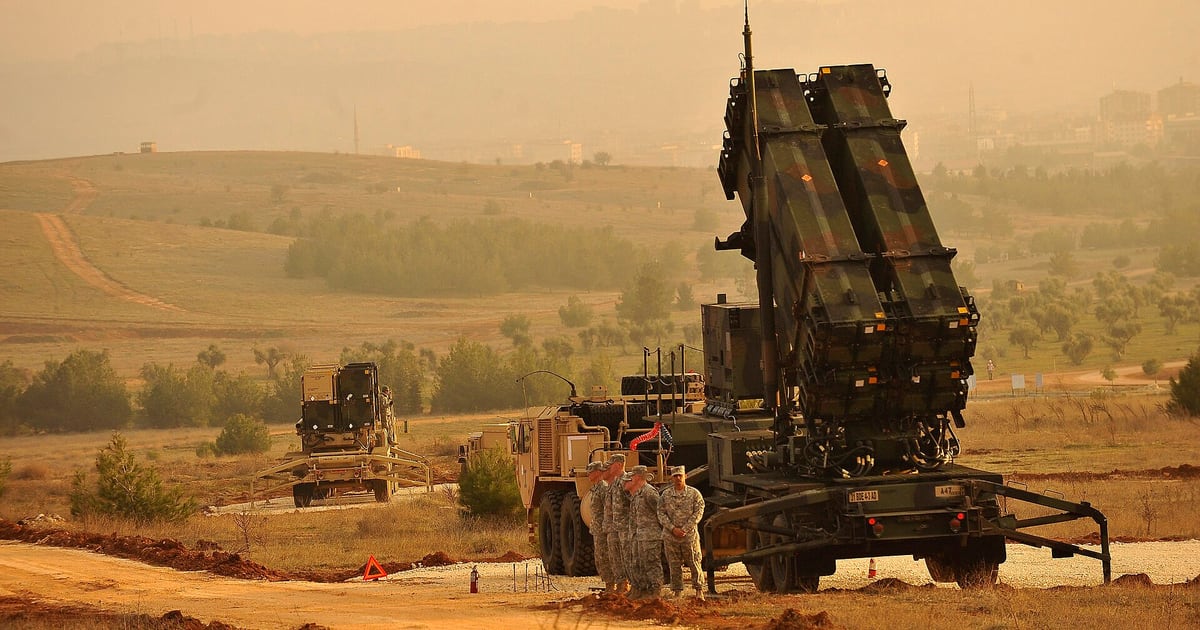
The U.S. State Department approved a potential $2.1 billion sale of 500 Patriot PAC-3 missile interceptors and related equipment to Ukraine on Friday, Oct. 30. The package uses no U.S. government funds, relying instead on financing from European allies and Canada. Despite the clearance, two people briefed on the decision said the missiles have not yet been built and are not expected to arrive in Ukraine until a couple of years into the 2030s.
Canada, Germany, and Norway are paying for the purchase through the U.S. JUMPSTART program alongside European Union-backed Ukrainian national loans. Lockheed Martin serves as the principal contractor for the PAC-3 interceptors. The State Department said the sale advances U.S. foreign policy and national security by supporting an allied European partner at zero expense to American taxpayers.
The approval followed weeks of diplomatic friction between Kyiv and President Donald Trump's administration over stalled weapons clearances. Ukrainian President Volodymyr Zelenskyy met with U.S. envoys in Oslo on Tuesday, Oct. 20, to ease bilateral tensions over delayed military approvals and sanctions. On Monday, Oct. 26, Zelenskyy warned publicly that Kyiv had waited nearly a month for Washington to sign off on critical missile purchases while Russian forces escalated attacks.
Ukrainian officials say Patriot batteries are urgently needed as the country's primary shield against fast-moving Russian ballistic missiles, though administrative hold-ups and multi-year production backlogs continue to delay protection. Earlier in the month, Ukraine depleted its supply of Patriot missiles, leaving ballistic missiles launched against power plants in Kyiv and Kharkiv on Wednesday, Oct. 14, largely unintercepted. Ukrainian officials also reported that SpaceX satellite speed caps disrupted military operations and drone interceptions overnight on Tuesday, Oct. 13.
Russian forces have continued to strike electrical grids and municipal infrastructure across the country. On Thursday, Oct. 29, a Russian drone strike hit a rail platform in Dnipro, killing at least 14 people amid wider nationwide missile attacks. Bombardments on Friday, Oct. 30, left roughly 200,000 households in the Dnipro region and 80,000 households in the Kyiv region without electricity.
U.S. defense officials and contractors say heavy worldwide demand and domestic inventory pressures constrain immediate delivery schedules. In July 2026, the U.S. Army awarded Lockheed Martin an interceptor production contract valued at up to $58.6 billion aimed at tripling PAC-3 output by late 2030. Contractors are working to expand production up to 2,000 units annually, but the new Ukrainian order must wait in the manufacturing queue unless existing stocks are reallocated.
Why it matters
Ukraine relies on U.S.-made Patriot systems as its primary defense against Russian ballistic missiles targeting energy networks and cities. While the allied-funded purchase secures long-term production without U.S. taxpayer money, the multi-year manufacturing backlog leaves Kyiv's immediate air defense deficit unresolved heading into winter.
What's next
Defense officials and foreign partners face questions over whether the Pentagon can negotiate expedited production slots or reallocate existing inventory to deliver interceptors before the 2030s. Kyiv must also find ways to bridge its current shortage of ballistic missile interceptors during upcoming winter strikes.
Sources · 10 reports
Spotted an error? Write to [email protected]. Tags: Ukraine, Russia, State Department, Defense, Foreign aid, Volodymyr Zelenskyy.


