Quebec government will sit without swearing oath to King Charles, premier says
A legal observer warns that growing opposition among Canadian political leaders to the mandatory royal oath pushes the country toward a constitutional crisis.

Listen
The rundown
- The Premier of Quebec announced on Thursday, Nov. 26, 2026, that the provincial government will sit without taking the oath of allegiance to King Charles, according to The Globe and Mail.
- A Canadian political leader refused on Wednesday, Nov. 25, 2026, to swear allegiance to King Charles, describing the requirement as colonial and a disgrace, The Independent reported.
- A lawyer warned on Wednesday, Nov. 25, 2026, that refusing to swear allegiance to the monarch pushes Canada toward a constitutional crisis, according to Newsweek.
- Canada's constitutional framework establishes the British monarch as head of state and traditionally requires elected lawmakers to take the oath before taking their seats.
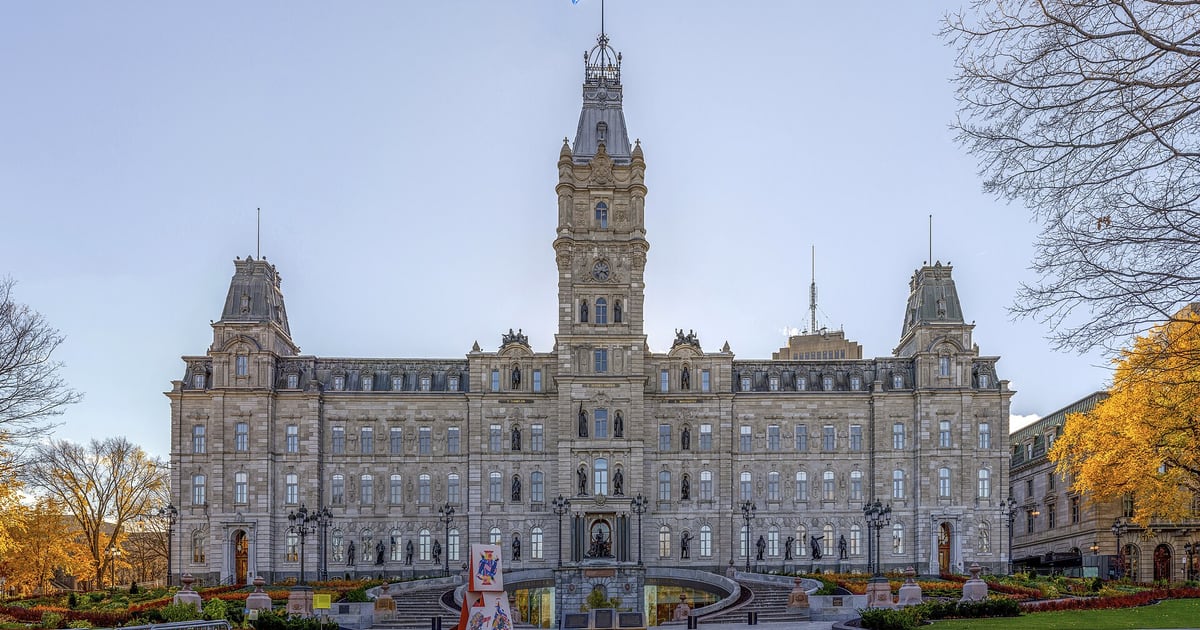
The Quebec provincial government will sit and operate without taking the traditional oath of allegiance to King Charles, the Premier of Quebec announced on Thursday, Nov. 26, 2026, according to The Globe and Mail. The decision tests Canada's constitutional rules for seating elected provincial lawmakers.
The announcement in Quebec followed escalating opposition to the royal requirement late in November 2026. On Wednesday, Nov. 25, 2026, a Canadian political leader refused to swear allegiance to King Charles, according to The Independent. That leader rejected the mandatory oath as colonial and called the requirement a disgrace.
Legal observers say the refusal to swear allegiance to the monarch threatens the country's governing framework. On Wednesday, Nov. 25, 2026, a lawyer warned that the dispute over King Charles is pushing Canada toward a constitutional crisis, Newsweek reported.
Canada's constitutional structure establishes the British sovereign, King Charles, as the nation's head of state. Under this system, elected representatives are traditionally required to take an oath of allegiance to the monarch before they can take their seats in a legislature and conduct official business.
Political leaders in Quebec have increasingly contested the mandatory oath, viewing the requirement as a relic of colonial rule. Their stance has precipitated a broader legal debate over whether provincial legislatures possess the authority to independently bypass or alter royal swearing-in requirements without amending the federal constitution.
It remains unresolved what specific legal or constitutional procedures will be invoked when Quebec lawmakers attempt to sit and govern without taking the oath. Observers are also watching whether the federal government in Ottawa will challenge Quebec's decision in court.
The domestic constitutional dispute unfolds as the federal government in Ottawa manages major international negotiations. In recent weeks, Canadian officials have focused on Canada and EU open Montreal summit to deepen defense and economic ties and signaled that Carney and Trump signal progress toward Canada-US trade deal ahead of midterms.
Why it matters
Canada's constitution establishes King Charles as head of state and traditionally requires elected representatives to swear allegiance to the monarch before taking their seats. By announcing that the provincial government will sit without taking the oath, Quebec's leadership directly challenges this requirement, prompting warnings from a lawyer of an impending constitutional crisis over whether a province can unilaterally bypass the rule.
What's next
Attention now turns to how the Quebec legislature will proceed when lawmakers sit without taking the oath, and what constitutional or procedural mechanisms might be triggered in response. Legal and political observers are watching to see whether the federal government in Ottawa will challenge Quebec's decision in the courts.
Sources · 3 reports
Spotted an error? Write to [email protected]. Tags: Canada, Quebec, King Charles, Constitutional law.


