At least 39 dead after migrant boat capsizes off northern Senegal
Only one passenger survived the sinking as local rights groups demand a parliamentary inquiry and Spain's Canary Islands declare an arrival emergency.


Listen
The rundown
- At least 39 people died and one passenger was rescued after a wooden migrant boat overturned off Senegal's northern coast on Sunday, Nov. 8.
- The pirogue departed Saint-Louis bound for Spain before capsizing off the Lompoul dunes in the Kebemer department.
- Senegalese advocacy group Action for Human Rights and Friendship demanded a parliamentary inquiry into state maritime enforcement.
- Authorities on the Canary Island of El Hierro declared an emergency on Saturday, Nov. 7, after more than 3,300 migrants arrived on roughly 30 boats since the start of November.
At least 39 people died after a small boat carrying migrants overturned off the northern coast of Senegal on Sunday, Nov. 8. Search and rescue teams pulled only one survivor from the water, and several other passengers remain missing.
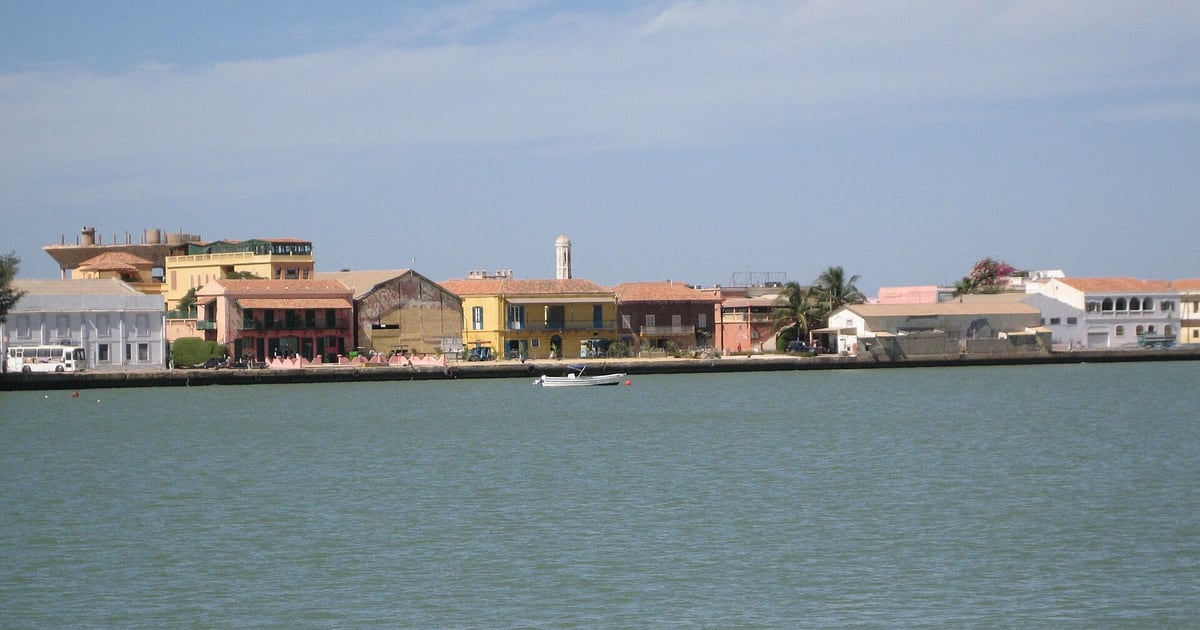
The vessel, a flat-bottomed wooden pirogue, departed the northern coastal city of Saint-Louis bound for the Spanish coast. It capsized off the Lompoul dunes in the Kebemer department. Emergency responders recovered 21 bodies on Sunday, Nov. 8, before the confirmed death toll rose to 34 and reached 39 on Monday, Nov. 9.
The Senegalese Ministry of the Interior and Public Security stated that the vessel was carrying irregular migrants, though officials did not confirm the total number of passengers on board when the boat left Saint-Louis. Recovery operations continued along the coast on Monday, Nov. 9, as authorities searched for additional victims.
The shipwreck prompted immediate scrutiny of the government's border and maritime policies. On Monday, Nov. 9, Senegalese President Bassirou Diomaye Faye expressed condolences to the victims' families and promised stricter enforcement measures targeting human smuggling rings that organize irregular sea departures.
Local civil society groups said government pledges have not matched the scale of the crisis. The Senegalese advocacy organization Action for Human Rights and Friendship, known as ADHA, demanded a formal parliamentary inquiry into the state's migration response and maritime enforcement failures. ADHA argued that previous government announcements and maritime security funding failed to produce lasting results or halt deaths along the coast.
Previous administrative measures in Senegal included allocating 300,000 euros to the national navy and training more than 300 agents to intercept vessels and curb irregular departures. Despite those state interception efforts, departures aboard wooden pirogues heading toward Spanish territory have continued to climb.
The disaster off Lompoul coincided with mounting logistical strain at the migrants' intended destination. On Saturday, Nov. 7, local authorities on El Hierro, part of Spain's Canary Islands, declared an emergency following the arrival of more than 3,300 people aboard roughly 30 boats since the beginning of November.
The Atlantic migration route connecting West Africa to the Canary Islands is one of the world's deadliest maritime pathways, claiming thousands of lives in recent years. Walking Borders, a migrant rights non-governmental organization that tracks sea crossing casualties, reported that 635 people died attempting to reach the Canary Islands from West Africa during the first five months of the year.
The heightened activity along the Atlantic corridor comes as European governments tighten legal migration pathways, including in the United Kingdom, where Britain doubles standard residency wait for foreign workers to ten years under rules presented to Parliament on Monday, Nov. 2.
Why it matters
The sinking underscores the persistence of irregular departures along the West African coast despite increased naval funding and agent training in Senegal. Coupled with the emergency declaration on El Hierro after more than 3,300 arrivals in early November, the high death toll places dual pressure on Senegalese officials to justify their maritime enforcement strategy and on Spanish authorities to manage strained reception capacities.
What's next
Search and recovery efforts off the Lompoul dunes are ongoing as authorities attempt to account for missing passengers and determine how many people were originally aboard the pirogue. In Dakar, lawmakers and the administration of President Bassirou Diomaye Faye face pressure to respond to Action for Human Rights and Friendship's demand for a parliamentary inquiry, while Spanish regional and national officials must address sheltering and processing shortages on El Hierro.
Sources · 3 reports
Spotted an error? Write to [email protected]. Tags: Senegal, Spain, Migration, Canary Islands, Bassirou Diomaye Faye.


