India's Supreme Court issues notices to Rahul Gandhi and Akhilesh Yadav over march
Chief Justice Surya Kant demanded an explanation after opposition protesters entered the court premises during a demonstration against voter roll revisions.


Listen
The rundown
- India's Supreme Court issued notices on Thursday, Oct. 15, to Congress leader Rahul Gandhi, Samajwadi Party chief Akhilesh Yadav, and other protesters over unauthorized entry onto court grounds on Sunday, Oct. 12.
- The court also issued a notice to the Election Commission of India on an opposition petition challenging the Special Intensive Revision of electoral rolls.
- On Friday, Oct. 16, the court scheduled a late October hearing on a plea by Senior Advocate Gaurav Bhatia alleging that Gandhi pushed a pregnant journalist during the march.
- The court granted interim protection on Thursday, Oct. 15, to a journalist facing charges under the SC/ST Act after she accused a Delhi Police officer of sexual harassment during the protest.
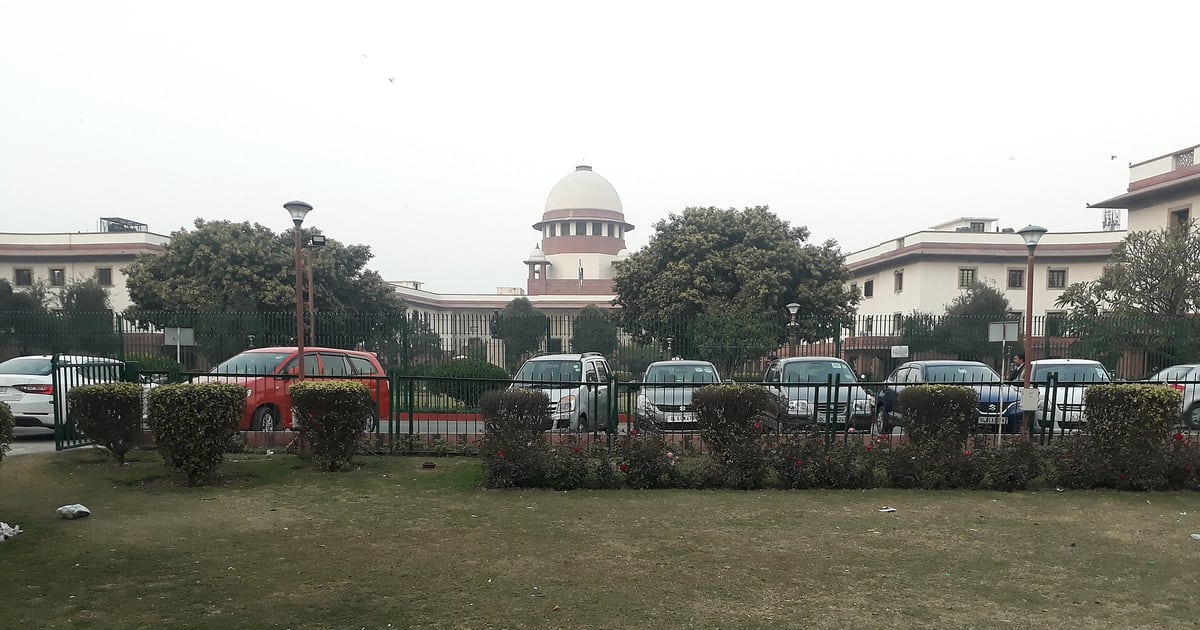
India's Supreme Court issued formal notices on Thursday, Oct. 15, to Congress party leader Rahul Gandhi, Samajwadi Party chief Akhilesh Yadav, and other opposition protesters, requiring them to explain their conduct after crowds entered the court premises earlier in the week. Chief Justice of India Surya Kant stated that the court is aware of statements made outside and will demand an explanation regarding the leaders' actions and how demonstrators entered court grounds. On Friday, Oct. 16, the court also agreed to hear an additional plea connected to the demonstration.
The judicial action follows the Chalo Dilli – March for Democracy held on Sunday, Oct. 12, when leaders of the opposition INDIA bloc led protesters into central Delhi. Demonstrators marched to the Supreme Court after Kant declined to meet with opposition leaders in person to receive a grievance memorandum. Kant instructed the leaders to pursue formal legal petitions instead.
During proceedings on Thursday, Oct. 15, the bench — which includes Kant and Supreme Court Justice Joymalya Bagchi — emphasized that the judiciary will not permit intimidation or the disruption of court grounds. The bench stated that opposition leaders must account for their conduct and the unauthorized entry of crowds into the court precincts.
On Friday, Oct. 16, Senior Advocate Gaurav Bhatia introduced an additional plea before the Supreme Court relating to the Sunday demonstration. Bhatia alleged that Gandhi pushed a three-month-pregnant journalist on court premises during the march, causing her hospitalization. The bench agreed to hear the matter and scheduled the plea for late October.
The INDIA opposition bloc organized the central Delhi demonstrations to challenge the Election Commission of India's Special Intensive Revision of electoral rolls. Opposition leaders allege that the revision process involves the arbitrary deletion of eligible voters. In addition to demanding a halt to the voter roll revision, the opposition has called for the resignation of Chief Election Commissioner of India Gyanesh Kumar.
Following Kant's earlier instruction to use formal legal channels rather than submit a memorandum in person, the opposition filed a petition challenging the Special Intensive Revision process. On Thursday, Oct. 15, the Supreme Court issued a formal notice directing the Election Commission of India to respond to the opposition's petition.
The Sunday protests also prompted separate legal orders concerning the treatment of the press during the demonstrations. Journalists and media unions stated that reporters covering the march faced physical aggression on court grounds, along with assault and sexual harassment by police personnel. Media representatives have sought court intervention and standard guidelines governing police interactions during protests.
In a related ruling on Thursday, Oct. 15, the Supreme Court granted interim protection to a female journalist charged under the SC/ST Act. The charges were filed after she accused Delhi Police Assistant Commissioner of Police Vivek Bhagat of sexual harassment while reporting on the Sunday protests.
Why it matters
The Supreme Court's notices place India's prominent opposition leaders under direct judicial scrutiny over the conduct of their supporters on court grounds, even as the bench formally takes up the opposition's underlying legal challenge against the Election Commission's voter roll revisions.
What's next
Gandhi, Yadav, and the Election Commission of India must respond to the respective notices issued by the Supreme Court. The bench is scheduled to hear Bhatia's plea regarding the alleged pushing of a pregnant journalist in late October, while questions remain over what standard guidelines the court and the central government may establish for police interactions with journalists.
Sources · 3 reports
Spotted an error? Write to [email protected]. Tags: India, Supreme Court of India, Rahul Gandhi, Akhilesh Yadav, Election Commission of India.


